Mulch vs Compost vs Pine Bark: What We Use and Why

A beautiful landscape rarely happens by accident. Beneath the flowering perennials, layered gardens, and quiet pathways, something is doing quiet but essential work: the soil system.
In Ontario landscapes, where gardens face cold winters, wet springs, humid summers, and fluctuating temperatures, soil health is everything. What goes on top of the soil—mulch, compost, or bark—plays a major role in how well plants thrive.
Yet many homeowners assume these materials are interchangeable. They’re not.
Each serves a different purpose, and choosing the right one can dramatically affect plant health, maintenance needs, and the longevity of your landscape design.
At Quiet Nature, we carefully choose between mulch, compost, and pine bark depending on the garden’s purpose, soil condition, and long-term design goals. Below is a look at how each material works—and why we use them the way we do in Ontario landscapes.

Why Top Dressing Matters in Ontario Landscapes
Before comparing materials, it helps to understand why soil coverings matter in the first place.
Ontario’s climate creates several challenges for garden beds:
- Freeze–thaw cycles that disrupt soil structure
- Heavy spring rain that compacts the soil
- Summer heat that dries shallow root zones
- Nutrient depletion in intensively planted beds
A properly selected top layer helps solve these issues by:
- Retaining soil moisture
- Suppressing weeds
- Regulating soil temperature
- Improving soil biology
- Protecting plant roots
But not all materials achieve these goals in the same way.
The difference between a garden that struggles and one that flourishes often comes down to what’s happening just below the surface.
Mulch: The Workhorse of Garden Beds
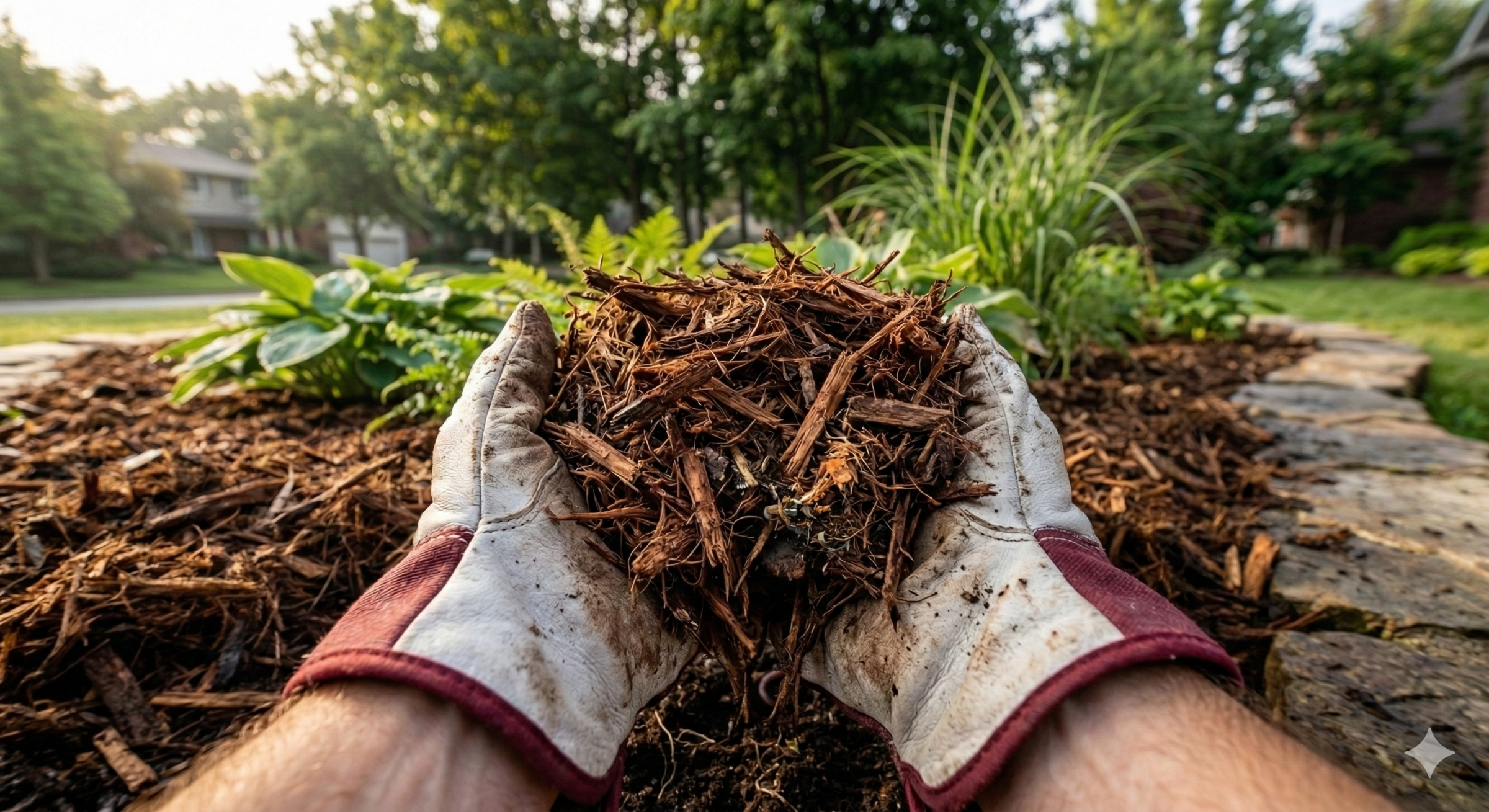
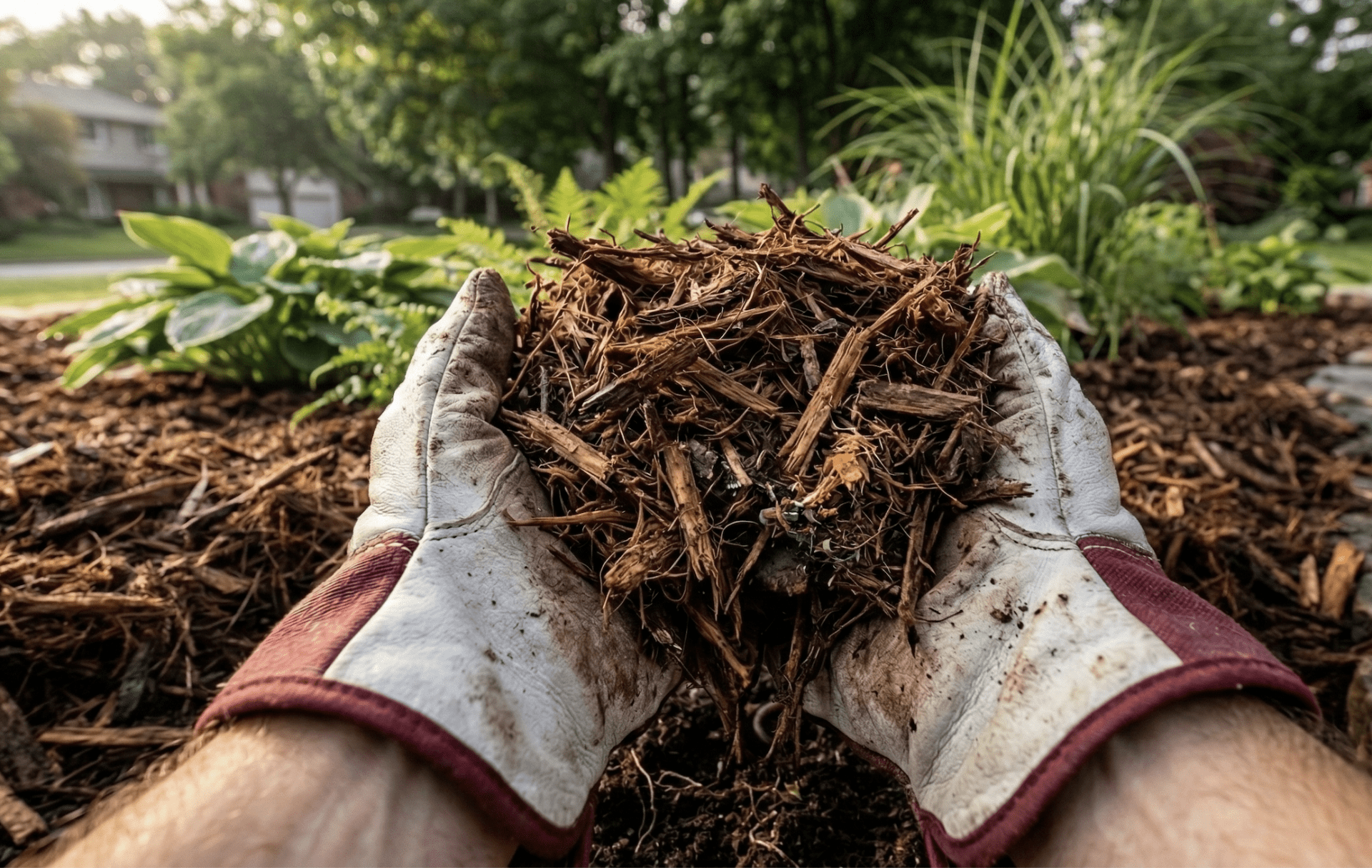
Mulch is the most commonly used landscape covering—and for good reason. It provides broad protection and improves soil conditions over time.
In most residential garden beds, mulch forms the foundational layer.

What Mulch Actually Is
In landscaping, mulch usually refers to shredded wood or bark products spread across soil surfaces.
Common types include:
- Shredded hardwood mulch
- Cedar mulch
- Hemlock mulch
- Dyed landscape mulch
- Pine bark mulch
At Quiet Nature, we prioritize natural, undyed mulches that break down gradually and support soil life.

Benefits of Mulch
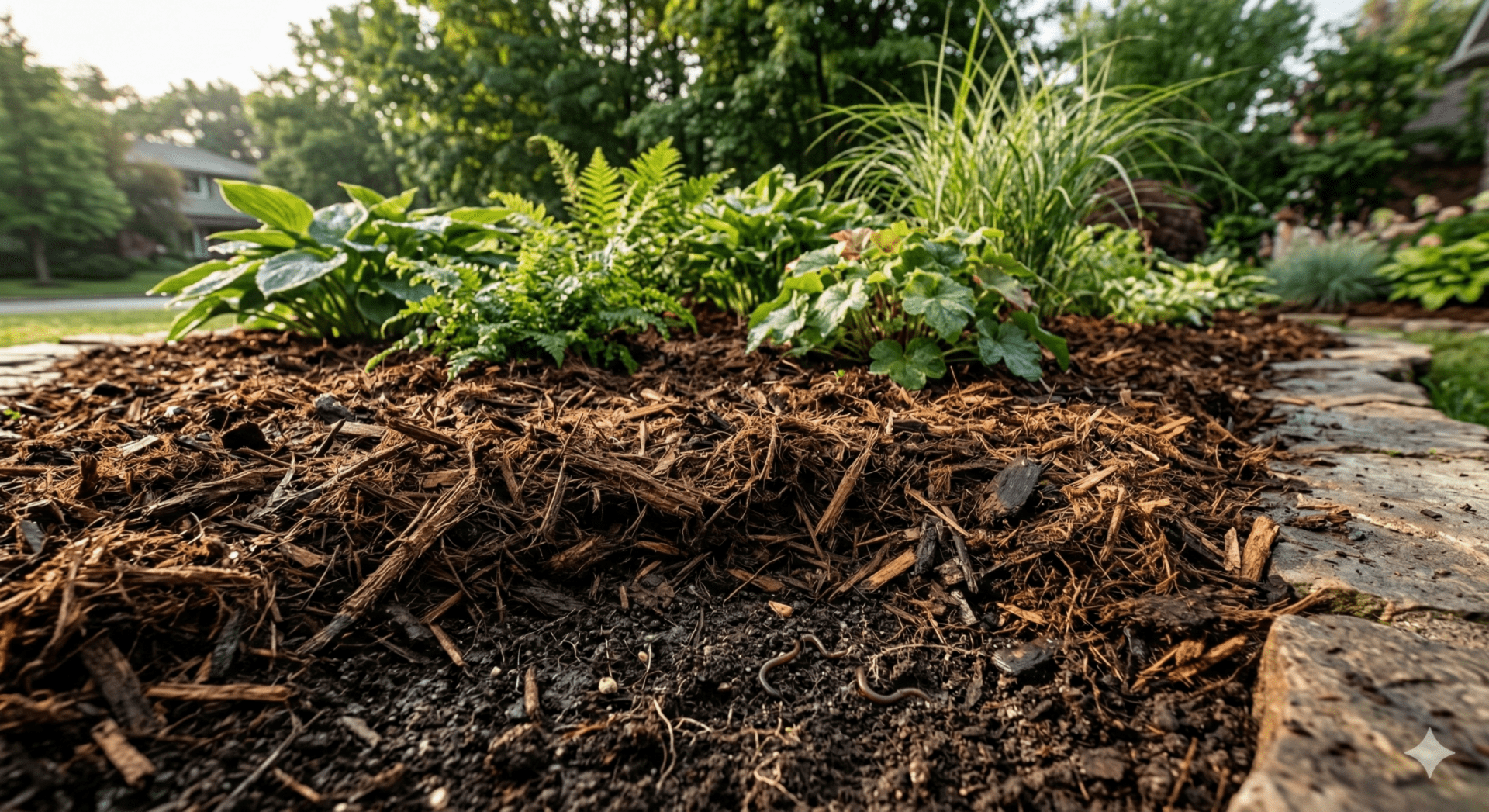
When applied correctly (typically 2–3 inches deep), mulch provides several advantages:
Moisture retention
Mulch reduces evaporation, which is critical during Ontario’s increasingly dry summer stretches.
Weed suppression
A thick mulch layer blocks sunlight from reaching weed seeds.
Temperature regulation
Mulch insulates the soil—cooling it during heat waves and buffering against temperature swings.
Soil improvement
As mulch decomposes, it feeds soil microorganisms and gradually enriches the soil structure.

Where Mulch Works Best
Mulch is ideal for:
- Shrub beds
- Perennial gardens
- Around trees
- Large landscape areas
- Low-maintenance planting zones
Because it decomposes slowly, mulch provides long-lasting coverage without dramatically changing soil nutrient levels.

Compost: Soil Builder, Not Just a Surface Layer.
Compost is often mistaken for just another mulch option. In reality, it serves a very different role.
Where mulch protects soil, compost improves soil.
What Compost Does
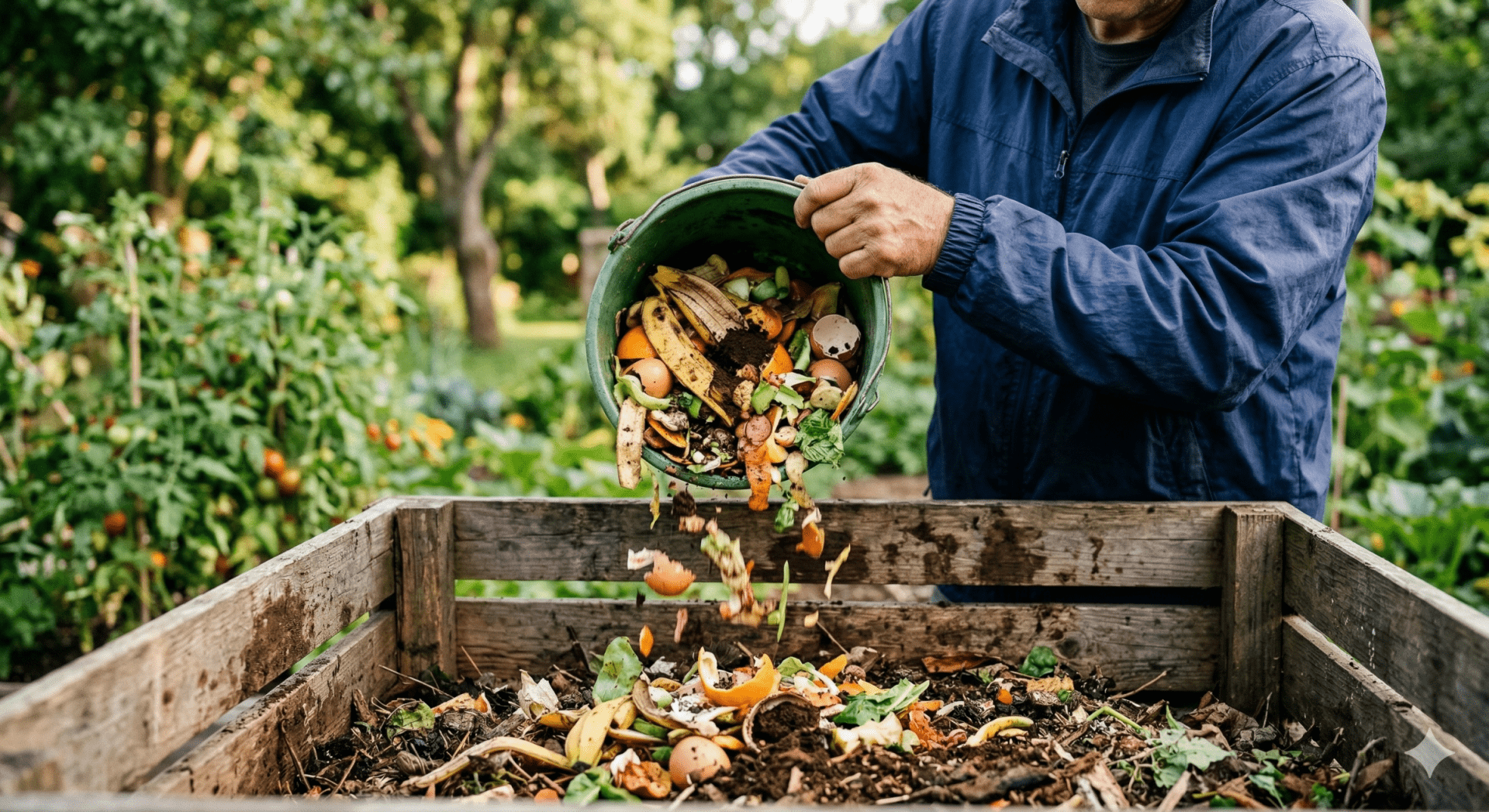
Compost is decomposed organic matter—usually made from plant material, leaves, and food scraps.
It’s rich in nutrients and microbial life.
Rather than acting primarily as a protective layer, compost functions as a soil amendment.
Benefits of Compost in Landscapes
Compost contributes to garden health in several key ways.
Improves soil structure
Clay-heavy Ontario soils benefit significantly from compost, which loosens compacted earth and improves drainage.
Adds nutrients
Compost introduces nitrogen, phosphorus, and other micronutrients plants need to thrive.
Supports soil biology
Healthy gardens rely on billions of beneficial microorganisms. Compost feeds and supports these soil ecosystems.
Improves water retention
Compost increases the soil’s ability to hold moisture—helpful during summer droughts.
When We Use Compost
At Quiet Nature, compost is rarely used as the final surface layer in ornamental beds.
Instead, we use it strategically:
- Blended into the soil during garden installation
- Added before planting perennials or shrubs
- Applied as a thin seasonal top dressing
- Used in vegetable or edible gardens
In other words, compost is part of building the soil foundation, not just covering it.

Pine Bark: The Premium Landscape Option
Pine bark sits somewhere between mulch and decorative groundcover.
It’s often used in higher-end landscape designs where aesthetics and longevity both matter.
What Makes Pine Bark Different
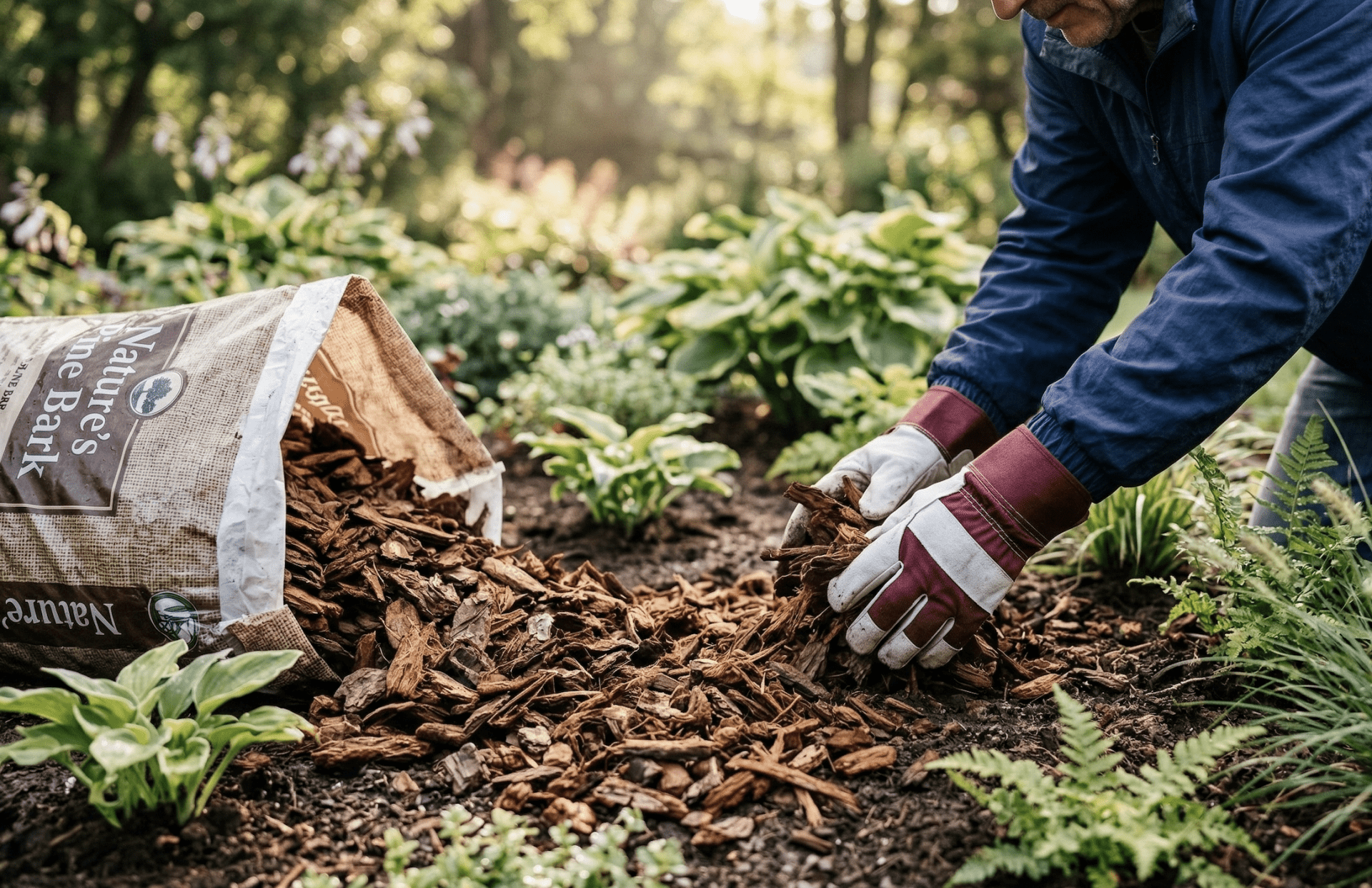
Pine bark comes from the outer bark of pine trees and is typically processed into nuggets or shredded bark.
Compared with standard hardwood mulch, pine bark:
- Breaks down more slowly
- Holds its color longer
- Has a lighter, more structured appearance
This makes it popular in upscale residential landscapes.

What Makes Pine Bark Different
Pine bark comes from the outer bark of pine trees and is typically processed into nuggets or shredded bark.
Compared with standard hardwood mulch, pine bark:
- Breaks down more slowly
- Holds its color longer
- Has a lighter, more structured appearance
This makes it popular in upscale residential landscapes.

Benefits of Pine Bark
Longer lifespan
Pine bark decomposes slower than many wood mulches, meaning it often lasts longer before needing replenishment.
Excellent drainage
Its chunky structure allows water to move through easily while still protecting the soil.
Acid-friendly
Pine bark is slightly acidic, which benefits certain plants like:
- Hydrangeas
- Azaleas
- Rhododendrons
- Blueberries
Clean visual appearance
In naturalistic landscape designs, pine bark complements stone, wood, and native plantings beautifully.

Where Pine Bark Works Best
We often use pine bark in:
- Feature garden beds
- Natural pool surroundings
- Woodland-style landscapes
- High-end planting designs
Because it maintains its structure longer, it pairs well with long-term landscape installations.
Mulch vs Compost vs Pine Bark: Key Differences
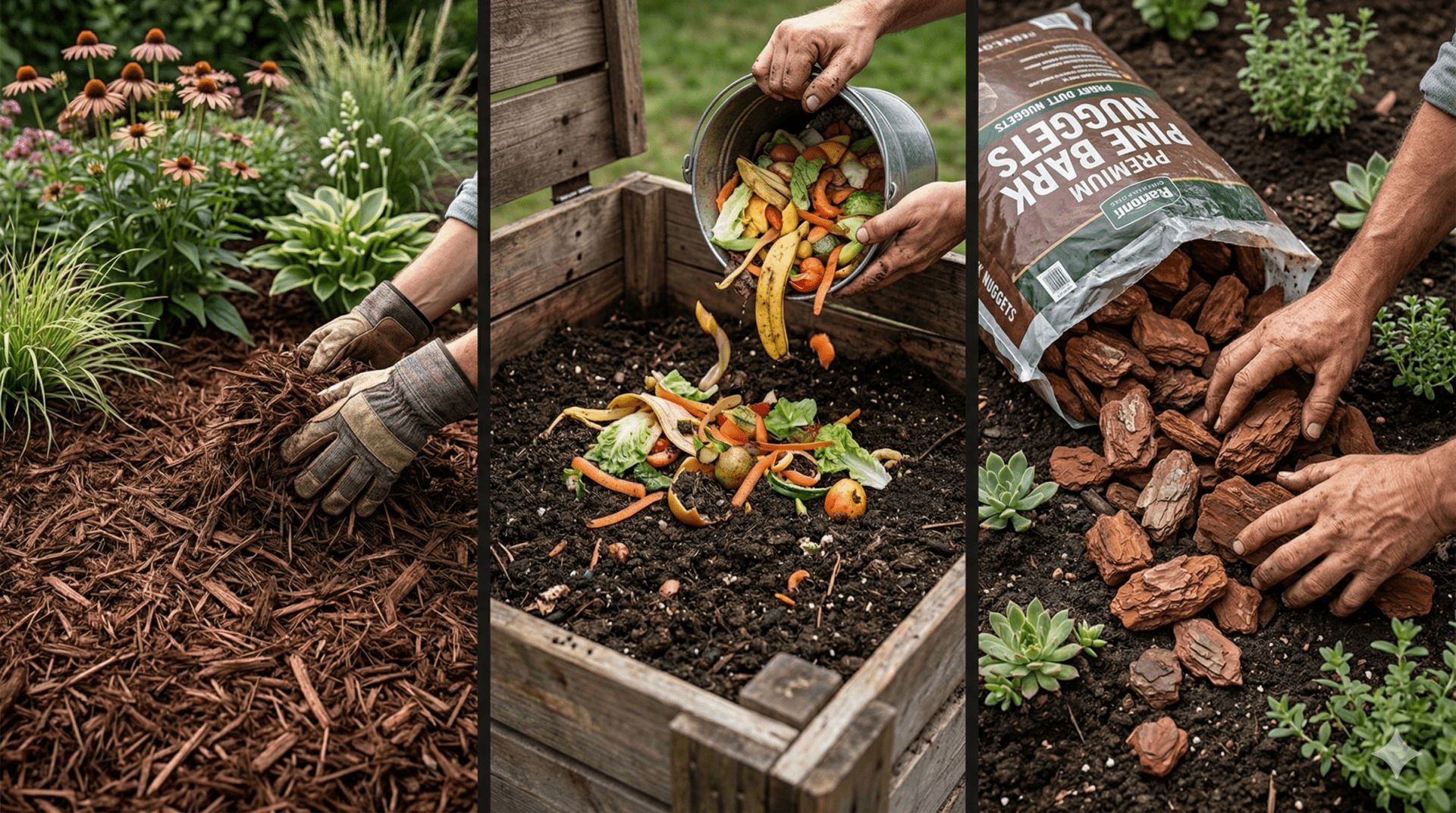
While these materials sometimes overlap in function, their primary purposes are different.
| Material | Primary Role | Best Use |
|---|---|---|
| Mulch | Soil protection | Garden beds, shrubs, trees |
| Compost | Soil improvement | Soil amendment, planting preparation |
| Pine Bark | Long-lasting mulch | Premium garden beds and naturalistic landscapes |
Understanding this distinction is key to building landscapes that perform well over time.

What We Actually Use in Quiet Nature Landscapes
In most projects, we don’t choose just one material.
We layer them strategically.
A typical garden installation might look like this:
- Soil improvement with compost
- Plant installation
- Protective mulch or pine bark layer
This layered system accomplishes several goals:
- Healthy root development
- Moisture retention
- Weed suppression
- Long-term soil improvement
For larger or more naturalistic landscapes—especially those surrounding natural swimming pools or woodland gardens—pine bark often becomes the preferred top layer.

A Realistic Scenario: Two Garden Beds, Two Approaches
Consider two common Ontario landscaping situations.
Bed 1: New Perennial Garden in Heavy Clay Soil
Here’s the approach we’d typically use:
- Incorporate compost into the planting soil
- Install perennials and shrubs
- Apply natural shredded mulch on top
The compost improves the clay soil, while the mulch protects the newly planted garden.

Bed 2: Naturalistic Landscape Around a Pool
For a more refined outdoor space:
- Improve the soil with compost during installation
- Install trees, grasses, and perennials
- Apply pine bark as the finishing layer
The pine bark provides a clean aesthetic and requires less frequent replacement.

Common Mistakes Homeowners Make
Even well-intentioned gardeners can unintentionally harm plants by misusing these materials.
Here are a few common issues we often see.
Using compost as thick mulch
Because compost is nutrient-dense and breaks down quickly, thick layers can encourage weeds and wash away in heavy rain.
Volcano mulching around trees
Piling mulch against tree trunks traps moisture and can lead to rot or pest problems.
Choosing dyed mulch
Artificial dyes can sometimes introduce unwanted chemicals into garden soils.
Skipping soil improvement
Adding mulch without improving the soil underneath only solves part of the problem.
Healthy gardens start below the surface.
The Quiet Nature Philosophy: Soil First
Our design philosophy starts with the understanding that landscapes are living ecosystems.
Plants, soil organisms, water movement, and seasonal cycles all work together.
Choosing between mulch, compost, and pine bark isn’t just about aesthetics—it’s about supporting that ecosystem.
When the soil system is healthy, everything else becomes easier:
- Plants establish faster
- Water needs decrease
- Gardens require less maintenance
- Landscapes become more resilient
And most importantly, outdoor spaces begin to feel more natural, balanced, and alive.
FAQ: Mulch, Compost, and Pine Bark
Is pine bark better than regular mulch?
Not necessarily better—just different. Pine bark lasts longer and offers a more refined appearance, while shredded mulch provides excellent soil coverage and gradual soil improvement.
Can compost replace mulch?
Compost shouldn’t replace mulch in most ornamental beds. It breaks down too quickly and doesn’t suppress weeds as effectively.
How often should mulch be replaced?
Most mulch layers should be refreshed every 1–2 years, depending on decomposition rate and weather conditions.
Is pine bark good for all plants?
Yes, but it’s particularly beneficial for plants that prefer slightly acidic soil conditions, like hydrangeas and rhododendrons.
Should compost be added every year?
Many gardens benefit from light annual compost top dressing to maintain soil fertility and microbial activity.

Building Healthier Gardens Starts Underground
Beautiful landscapes are often judged by what we see—flowers, patios, water features, and greenery.
But the true foundation lies beneath.
Thoughtful soil preparation and the right top-layer materials create gardens that thrive season after season, even through Ontario’s challenging climate.
Mulch protects.
Compost nourishes.
Pine bark refines and preserves.
Together, they form the quiet system that allows outdoor spaces to flourish.
If you’re planning a backyard transformation or wondering how to improve the health of your landscape, a thoughtful soil strategy is one of the best places to start.
At Quiet Nature, we design outdoor spaces that work with nature—not against it—creating landscapes that are both beautiful and deeply resilient.