
Garden Care for Busy Homeowners:
The Minimum Routine for Maximum Results

There’s a quiet kind of guilt that comes with a neglected garden. You notice it in passing—on your way out the door, during a rushed Saturday morning, or
when guests step into your backyard, and you think, “This could be so much more.” The vision is there. The time isn’t.
For many homeowners, especially those balancing careers, family, and a full calendar, garden care becomes another item on an already overwhelming list.
And yet, the desire remains: a space that feels alive, intentional, and calming—without becoming a second job.
The good news? A thriving garden doesn’t require hours of weekly maintenance. With the right approach, a minimal, strategic garden care routine
can deliver maximum impact—both visually and functionally. This guide breaks down exactly how to maintain a beautiful landscape with limited time,
while still honoring the deeper purpose of your outdoor space.
Why “Less but Better” Is the Future of Garden Care
In 2025, homeowners are shifting away from high-maintenance landscapes toward intentional outdoor living spaces—gardens designed to support real life, not compete with it.
This shift is driven by a few key realities:
- Time is limited, and priorities are changing
- People want to use their outdoor spaces, not just maintain them
- Sustainability and naturalistic design are becoming more valued
- There’s a growing appreciation for landscapes that evolve gracefully over time
At Quiet Nature, we often see clients who don’t want a perfectly manicured yard—they want a space that feels effortless, immersive, and alive, without constant upkeep.
The secret isn’t doing more. It’s doing the right things at the right time.
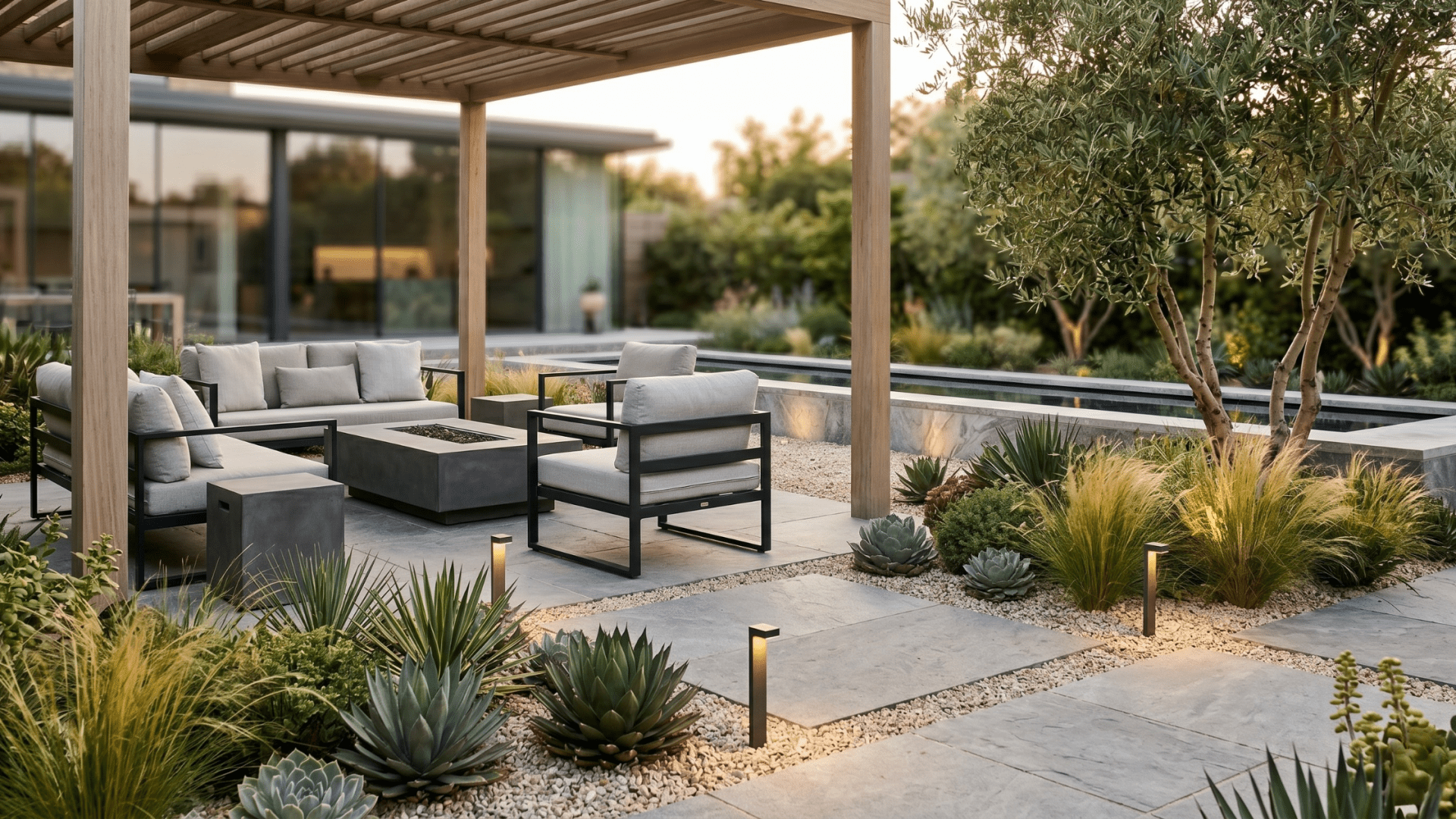
The Core Philosophy: Design for Ease First
Before diving into routines, it’s worth addressing something important:
The easiest garden to maintain is one that was designed that way from the beginning.
Low-maintenance landscapes aren’t accidental. They’re built around principles like:
- Right plant, right place
- Layered planting to reduce weeds
- Defined garden edges for easy upkeep
- Natural materials that age well
- Soil-first thinking instead of constant amendments
If your current garden feels like a lot of work, it’s often not a “you problem”—it’s a design issue.
That said, even an imperfect garden can be managed efficiently with a focused routine.
The Minimum Garden Care Routine (That Actually Works)
If you strip garden care down to its essentials, there are only a handful of actions that truly move the needle.
1. Weekly: The 15-Minute Reset
This is your anchor habit—the one that keeps everything from getting out of control.
What to do:
- Walk the garden slowly (this matters more than you think)
- Pull visible weeds (focus on the obvious ones only)
- Deadhead flowers if needed (quick visual upgrade)
- Check for anything that feels “off” (wilting, pests, etc.)
Why it works:
Small, consistent attention prevents larger problems. Most garden overwhelm comes from neglect that compounds over time.
Real scenario:
A homeowner in Kitchener we worked with committed to a 10-minute Sunday walk-through. No tools, no pressure. Within a season, their garden looked more maintained than neighbors who spent hours sporadically.
2. Monthly: Strategic Pruning & Tidying
This is where refinement happens.
What to focus on:
- Light pruning of overgrowth (don’t overthink it)
- Cleaning up spent perennials
- Re-defining garden edges (a quick pass with an edger or spade)
Pro tip:
Avoid heavy pruning unless you’re confident. Most plants respond better to light, frequent shaping than aggressive cuts.
Why it matters:
This step maintains structure. Without it, even well-designed gardens start to feel messy.
3. Seasonal: The Big Three Moments
Instead of constant effort, focus on three key seasonal touchpoints:
Spring (Reset & Refresh)
- Cut back dead growth
- Add a thin layer of mulch
- Fill small gaps with new plantings if needed
Summer (Guide & Support)
- Light pruning and deadheading
- Monitor watering during dry periods
- Enjoy the space (this is often overlooked)
Fall (Prepare & Protect)
- Selective cutbacks (not everything needs to be trimmed)
- Leaf management (leave some for soil health)
- Soil improvement where needed
Important shift:
Fall cleanup doesn’t need to be “perfect.” Many plants and leaves provide ecological benefits when left in place.
4. Watering: Smarter, Not More
Watering is one of the most misunderstood aspects of garden care.
Busy homeowners often either:
- Overwater frequently, or
- Forget entirely
Neither works.
A better approach:
- Water deeply, but less often
- Focus on root zones, not leaves
- Use early morning or evening timing
Even better:
Consider a simple irrigation system or drip line. Automation removes one of the biggest maintenance burdens while improving plant health.
5. Mulch: The Quiet Workhorse
If there’s one low-effort, high-impact action in garden care, it’s mulching.
Benefits:
- Suppresses weeds
- Retains moisture
- Improves soil health over time
- Instantly makes gardens look finished
Minimal routine:
- Apply once per year (spring or early summer)
- Keep it consistent but not excessive (2–3 inches is ideal)
Mulch reduces the need for almost every other maintenance task.

Designing a Garden That Practically Takes Care of Itself
For homeowners ready to think long-term, the goal isn’t just maintenance—it’s eliminating unnecessary maintenance altogether.
Key Features of Low-Maintenance Landscapes
- Perennial-based planting (less replanting each year)
- Native or adapted species (better resilience)
- Dense planting layouts (fewer weeds)
- Naturalistic design (less need for constant trimming)
- Defined zones (clear separation between lawn, beds, and pathways)
At Quiet Nature, we often design gardens that improve year after year with minimal intervention—because they’re built to follow natural processes rather than fight them.
A Real-Life Example: The “Weekend-Free” Garden
A couple we worked with had a familiar problem: a large, beautiful property… and no time to manage it.
Their previous setup included:
- Large lawn areas requiring constant mowing
- High-maintenance annual beds
- Poor plant placement leading to constant replacements
We redesigned the space with a different philosophy:
- Replaced sections of lawn with layered perennial beds
- Introduced natural stone pathways to define flow
- Installed drought-tolerant plant groupings
- Added mulch and improved soil structure
Result:
Their weekly maintenance dropped to under 20 minutes. More importantly, they started using their backyard—hosting, relaxing, and actually enjoying the space.
When to Bring in Professional Garden Care
There’s a point where even a minimal routine feels like too much—and that’s okay.
For many homeowners, the ideal solution is boutique garden maintenance: not basic mowing, but thoughtful, proactive care that keeps the landscape evolving.
This is especially valuable if:
- Your garden is large or complex
- You travel frequently
- You want consistent, high-end results
- You simply don’t enjoy the work (and that matters)
The goal isn’t to outsource everything—it’s to remove friction so your outdoor space feels like a retreat, not a responsibility.
Common Mistakes Busy Homeowners Make
Even with the best intentions, a few habits can create unnecessary work:
- Trying to do everything at once → leads to burnout
- Overcomplicating plant care → most plants are more resilient than you think
- Ignoring design flaws → maintenance won’t fix poor layout
- Skipping small weekly check-ins → problems grow quietly
The shift is simple: consistency over intensity.

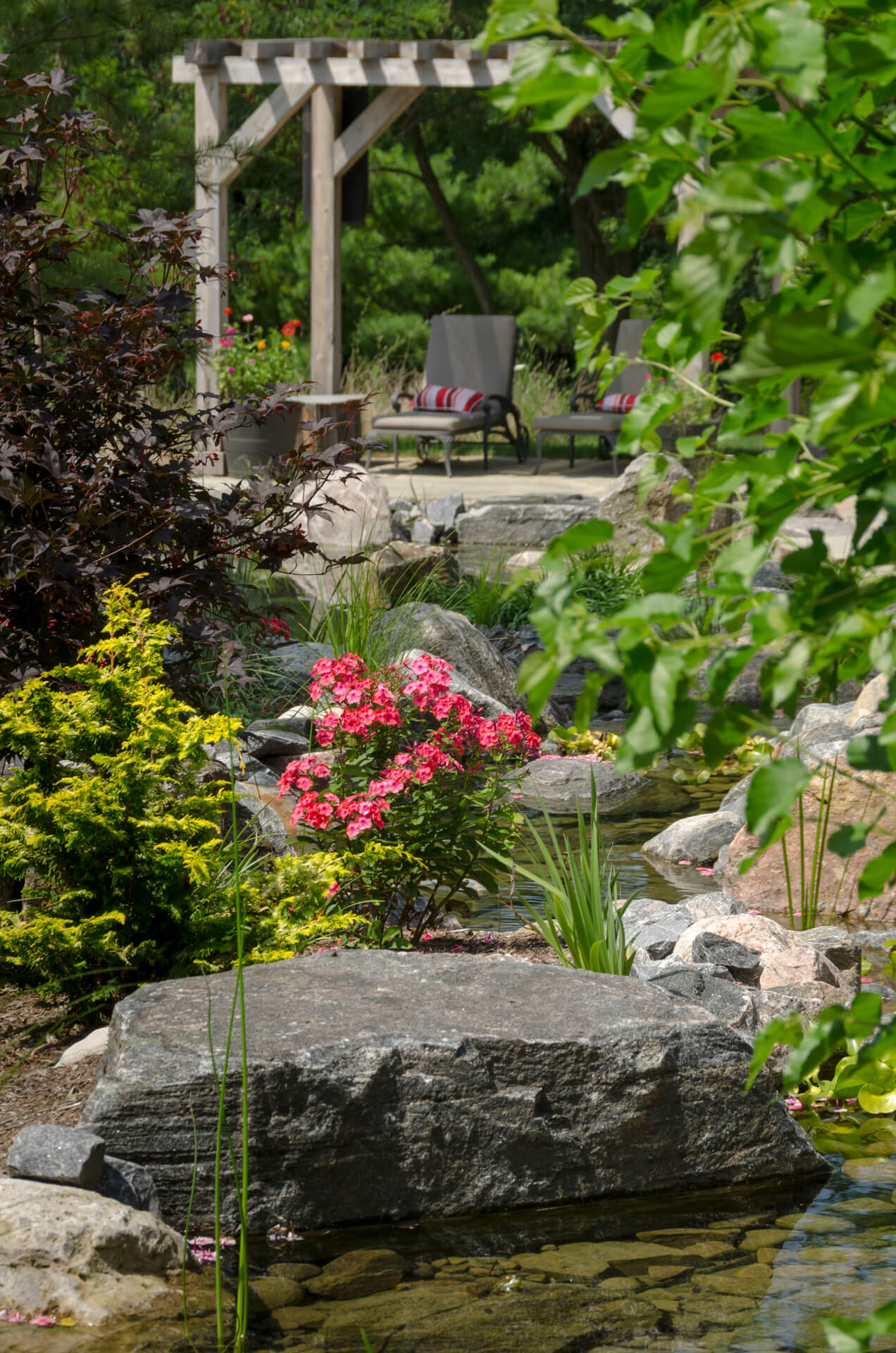
A garden that works with your life doesn’t demand your time—it gives something back. It becomes a place to slow down at the end of a long day, a setting for meaningful conversations, and a quiet backdrop to everyday moments. This kind of space isn’t defined by perfection, but by thoughtful design and gentle, consistent care. If your outdoor space feels like it’s asking too much of you, it may not need more effort—it may need a better approach. At Quiet Nature, we believe your landscape should feel like a natural extension of your life: calm, intentional, and quietly beautiful. Whether that means refining what’s already there or reimagining it entirely, the goal remains the same—less work, more living. And if you’re ready to create a space that thrives without constant attention, we’d be happy to start the conversation.