
How to Phase an Outdoor Living Project
Without Rework
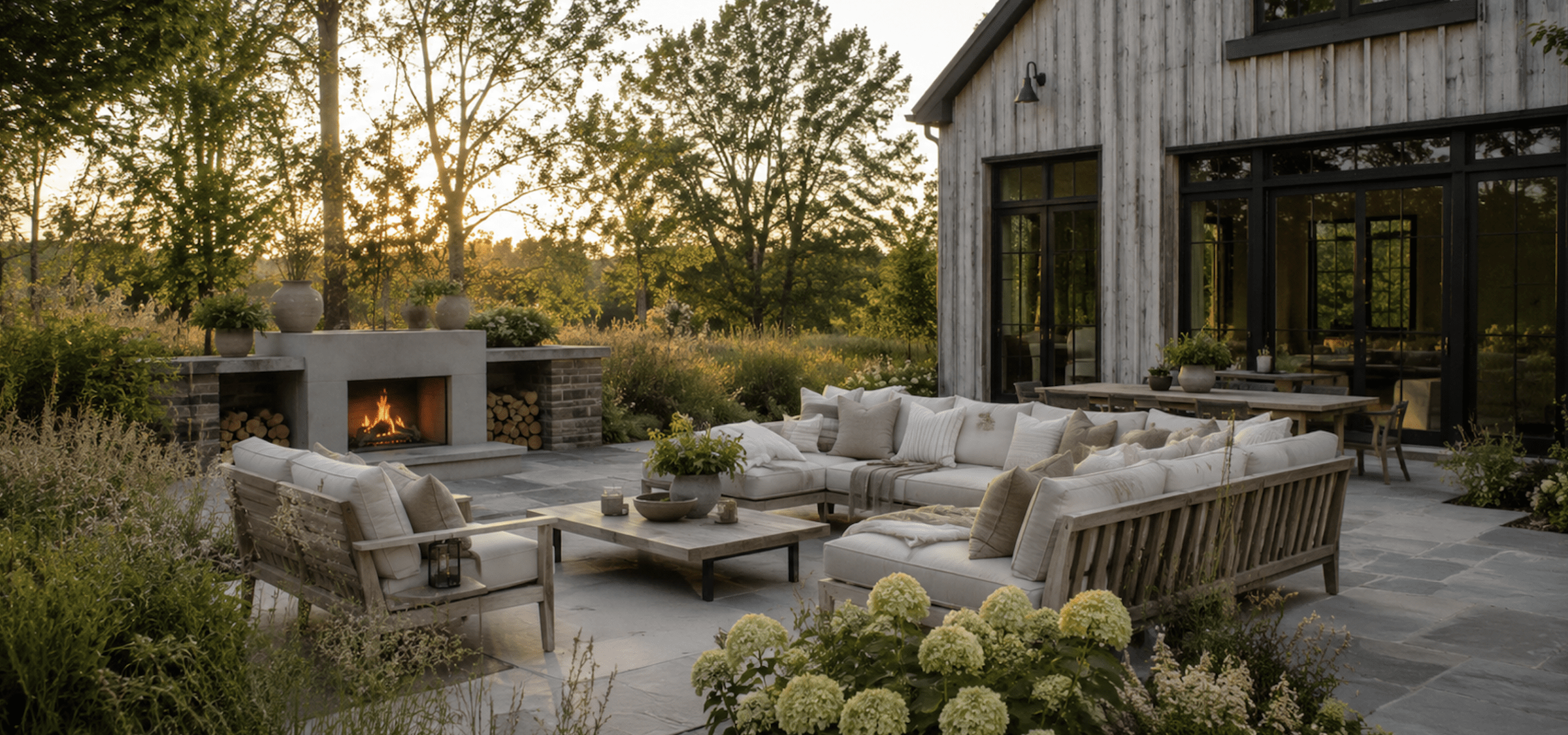
There’s a moment many homeowners reach when thinking about their backyard. You stand outside, coffee in hand, imagining what it could be—
a place to host, to unwind, to feel proud of. Maybe it’s a natural pool tucked into the landscape, a warm stone patio for long evenings, or layered gardens
that feel like they’ve always belonged there. But then reality sets in: “It’s too big to do all at once.” “So maybe we’ll phase it…”
And that’s where things often go wrong. Phasing an outdoor living project can be a smart, strategic decision—but only when it’s done with intention.
Otherwise, it leads to costly rework, mismatched materials, and a space that never quite feels finished.
This guide will walk you through how to phase a landscape project the right way—so every step builds toward something cohesive, timeless, and complete.
Why Phasing Makes Sense (When Done Right)
Phasing isn’t about cutting corners—it’s about pacing a larger vision.
For many homeowners, especially those investing in high-end outdoor living spaces, phasing allows you to:
- Spread investment over time
- Prioritize the most impactful elements first
- Make thoughtful decisions without rushing
- Adapt the design as you live in the space
In fact, many premium landscape projects today are intentionally phased—not because they have to be, but because it allows for a more refined, considered outcome.
But here’s the key:
Phasing should never mean designing in pieces.
The Biggest Mistake: Designing in Phases Instead of Building in Phases
This is the single most common—and expensive—mistake homeowners make.
They approach Phase 1 as a standalone project:
- A patio this year
- A pool next year
- Plantings “later”
On paper, it feels logical. In practice, it creates friction:
- Grades don’t align
- Drainage needs to be reworked
- Materials don’t match
- Access routes damage completed work
- The space feels disjointed
The fix is simple, but often overlooked:
Design the entire project upfront. Build it in phases.
This approach ensures every decision—big or small—fits into a cohesive master plan.
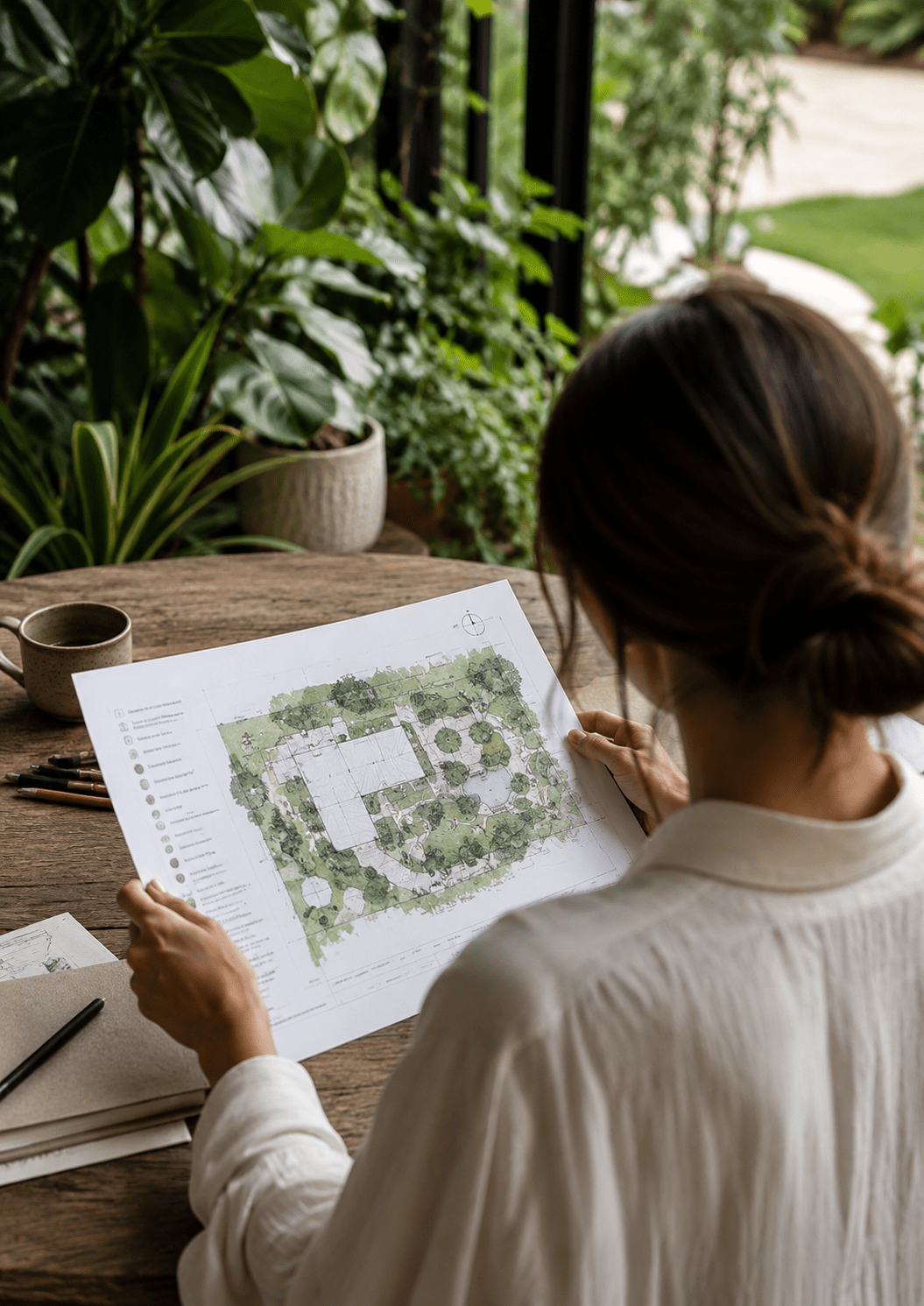
Step 1: Start With a Complete Master Plan
Even if you plan to build over several years, your design should reflect the final vision.
A complete outdoor living master plan considers:
- Overall layout and flow
- Elevation changes and grading
- Drainage and water management
- Structural elements (walls, patios, pools, features)
- Planting strategy and long-term growth
- Lighting and utilities
- Access for construction
This is where experienced design-build teams bring clarity.
A thoughtful design process ensures:
- Every element has a purpose
- The space feels natural, not pieced together
- Future phases don’t undo previous work
At Quiet Nature, this approach is foundational—because every landscape should feel intentional, not incremental.
Step 2: Identify Logical Phase Breaks
Not all phases are created equal. The goal isn’t just to divide the project—it’s to divide it intelligently.
Good Phase Breaks
These are natural stopping points where the space still feels functional:
- Structural foundation first (grading, retaining walls, drainage)
- Core living space (main patio, seating area)
- Secondary features (kitchen, fire element, water feature)
- Planting and softscape layers
- Fine details (lighting, specialty elements)
Poor Phase Breaks
These often lead to rework:
- Installing finished surfaces before underground work
- Adding planting before heavy construction is complete
- Building features without considering surrounding grades
- Choosing materials without a long-term palette
A well-planned phase should feel complete enough to enjoy, even if the full vision isn’t finished yet.
Step 3: Build the Invisible First
It’s tempting to start with what you can see—a patio, a walkway, something tangible.
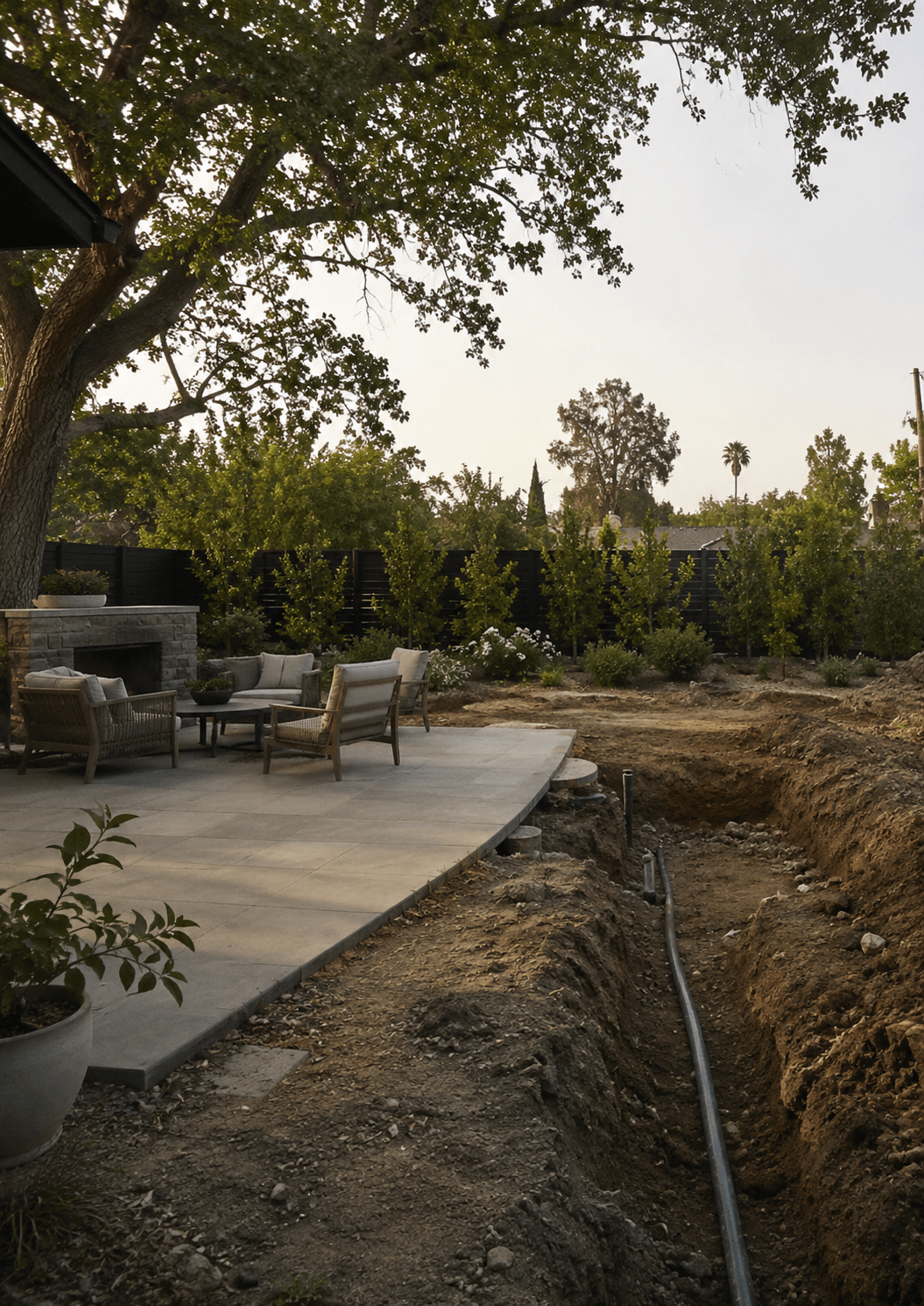
But the most important work in a landscape happens before that.
Phase 1 Should Often Include:
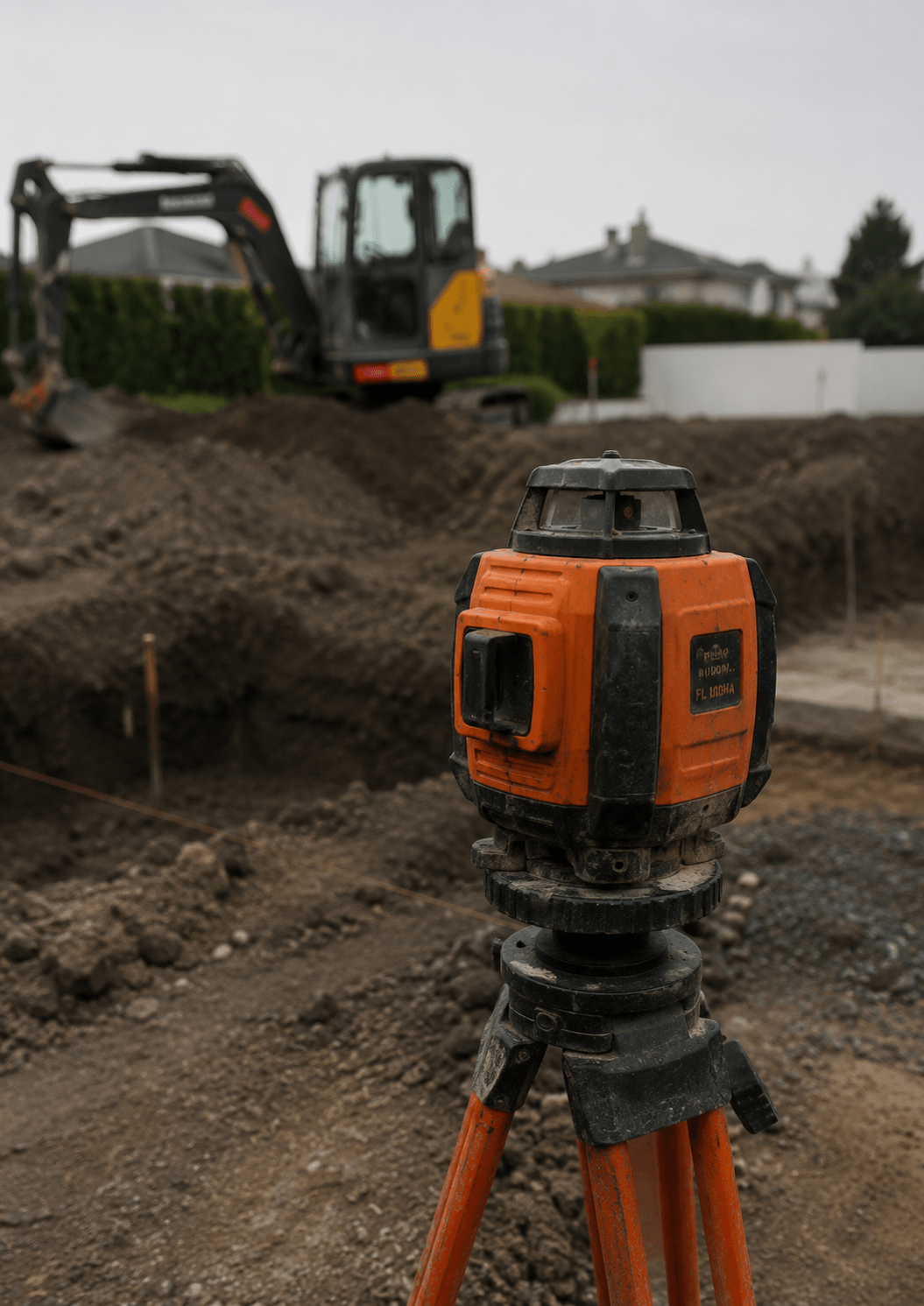
- Site grading and leveling
- Drainage systems
- Utility runs (gas, electrical, irrigation)
- Structural base work
- Soil preparation
These elements aren’t glamorous—but they determine how well everything else performs.
Skipping or delaying them often leads to:
- Tearing up finished work later
- Poor drainage and water issues
- Limited design flexibility in future phases
In naturalistic landscapes especially, working with the land—not against it—is essential. Proper groundwork allows the design to feel effortless and enduring.
Step 4: Think in Systems, Not Features
A common trap is thinking of outdoor spaces as a collection of features:
- “We’ll add a pool later”
- “We’ll do the garden eventually”
But great landscapes don’t feel like separate features—they feel like connected systems.
For example:
- A natural pool influences grading, planting, and circulation
- A patio affects drainage patterns and lighting layout
- Garden beds shape how the space is experienced seasonally
When you think in systems:
- Each phase supports the next
- Materials and transitions feel seamless
- The space evolves naturally
This aligns with a deeper design philosophy: every element should have a reason to exist and a relationship to the whole.
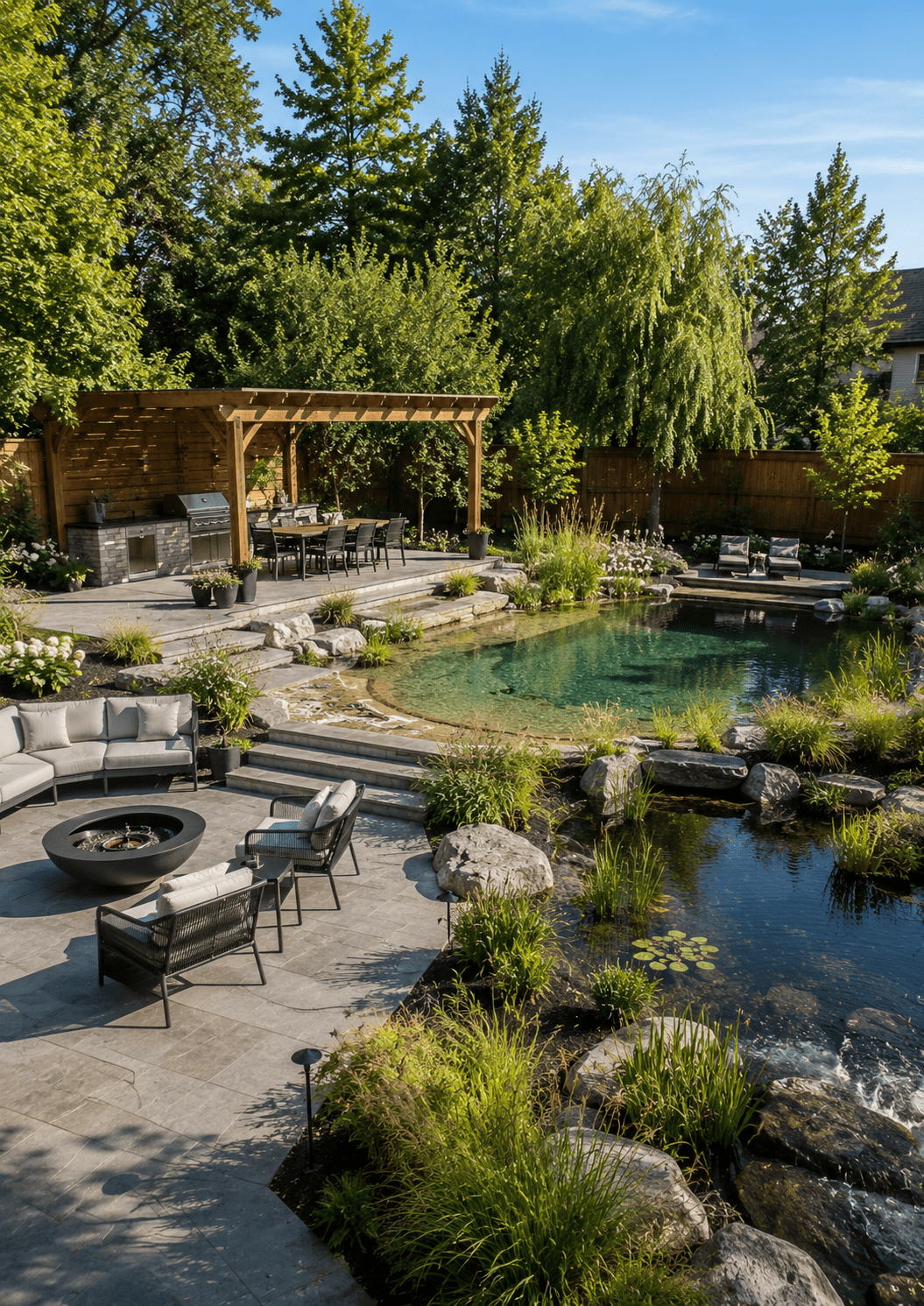
Step 5: Lock in Materials Early
One of the most visible signs of poor phasing is inconsistency.
Different stone. Different finishes. Different tones.
It often happens because materials are chosen phase by phase, based on what’s available or trending at the time.
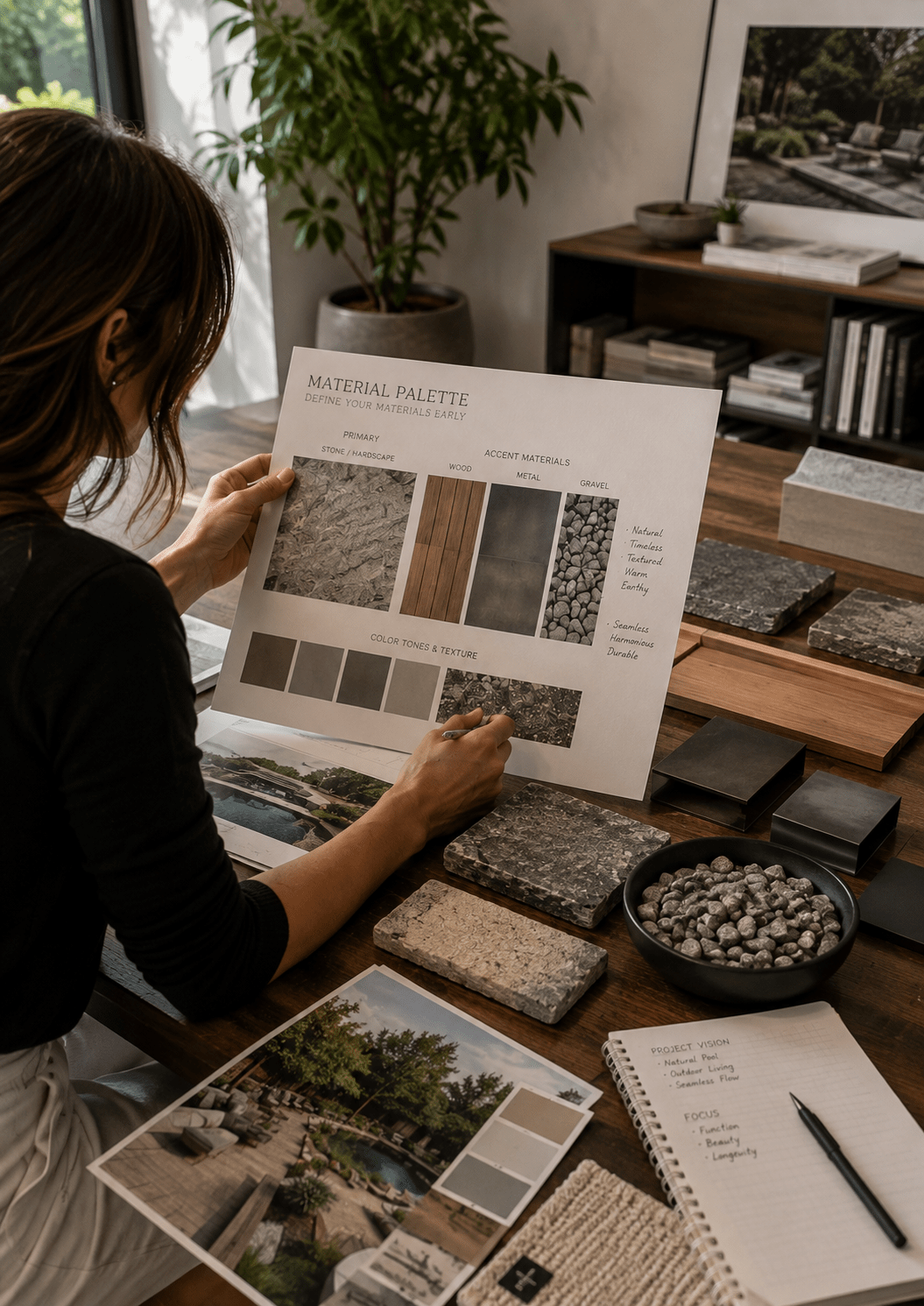
Instead, define your material palette early:
- Primary stone or hardscape material
- Accent materials (wood, metal, gravel)
- Colour tones and textures
- Edge details and finishes
Even if materials are installed years apart, they’ll still feel cohesive.
Timeless landscapes avoid chasing trends—they rely on natural, enduring materials that age beautifully over time.
Step 6: Plan Access for Future Phases
This is one of the most overlooked details—and one of the most costly to ignore.
Ask this early:
How will crews access the space in future phases?
Without planning for access:
- Equipment may damage finished patios or lawns
- Temporary removals may be required
- Costs increase due to limited entry points
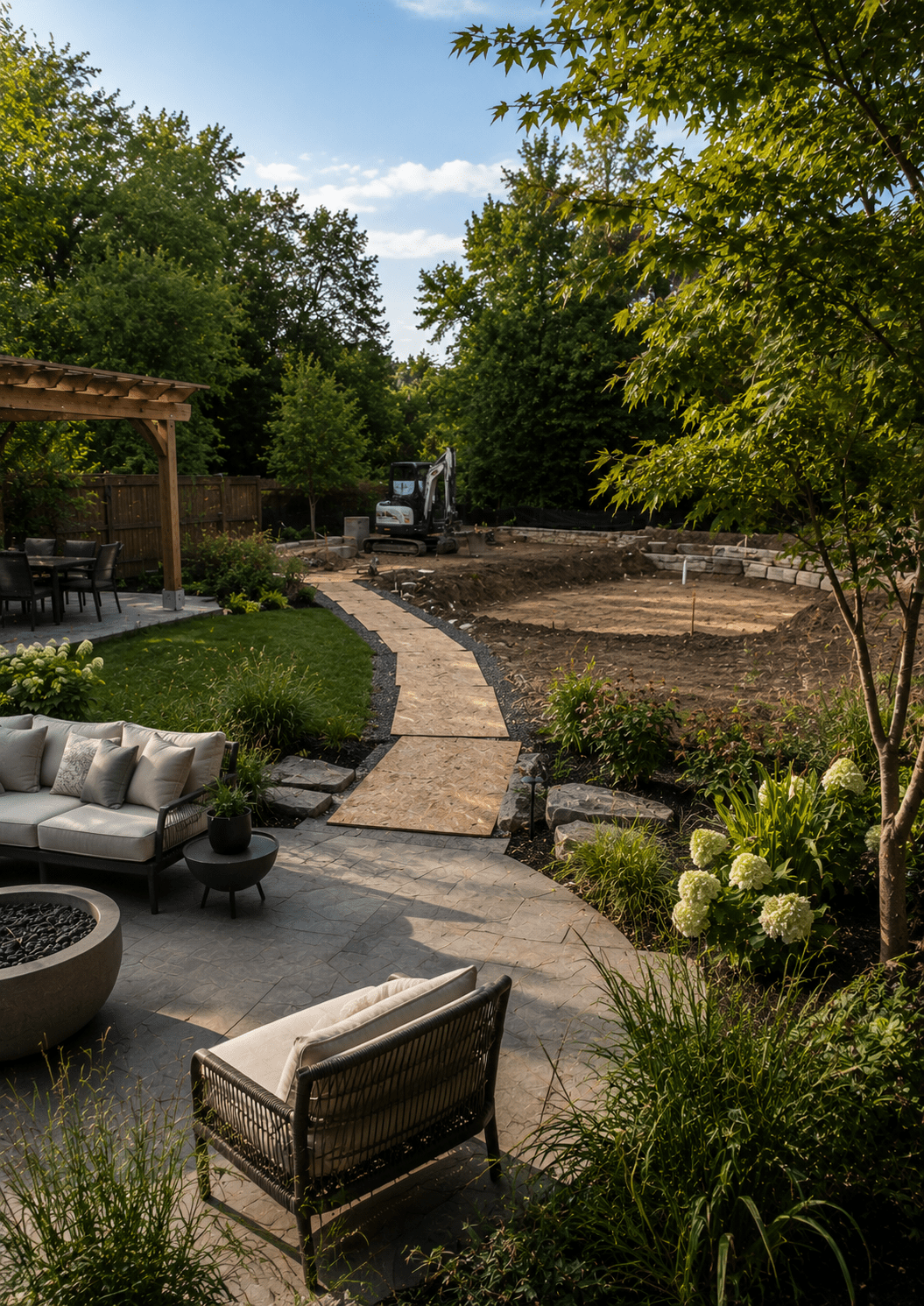
Smart planning includes:
- Designated access routes
- Temporary pathways
- Sequencing construction to protect finished areas
It’s a small consideration that makes a big difference.
Step 7: Align Phasing With How You Live
Phasing isn’t just technical—it’s personal.
The best phased projects reflect how you actually use your space.
Example Scenario
A family wants a full backyard transformation, including:
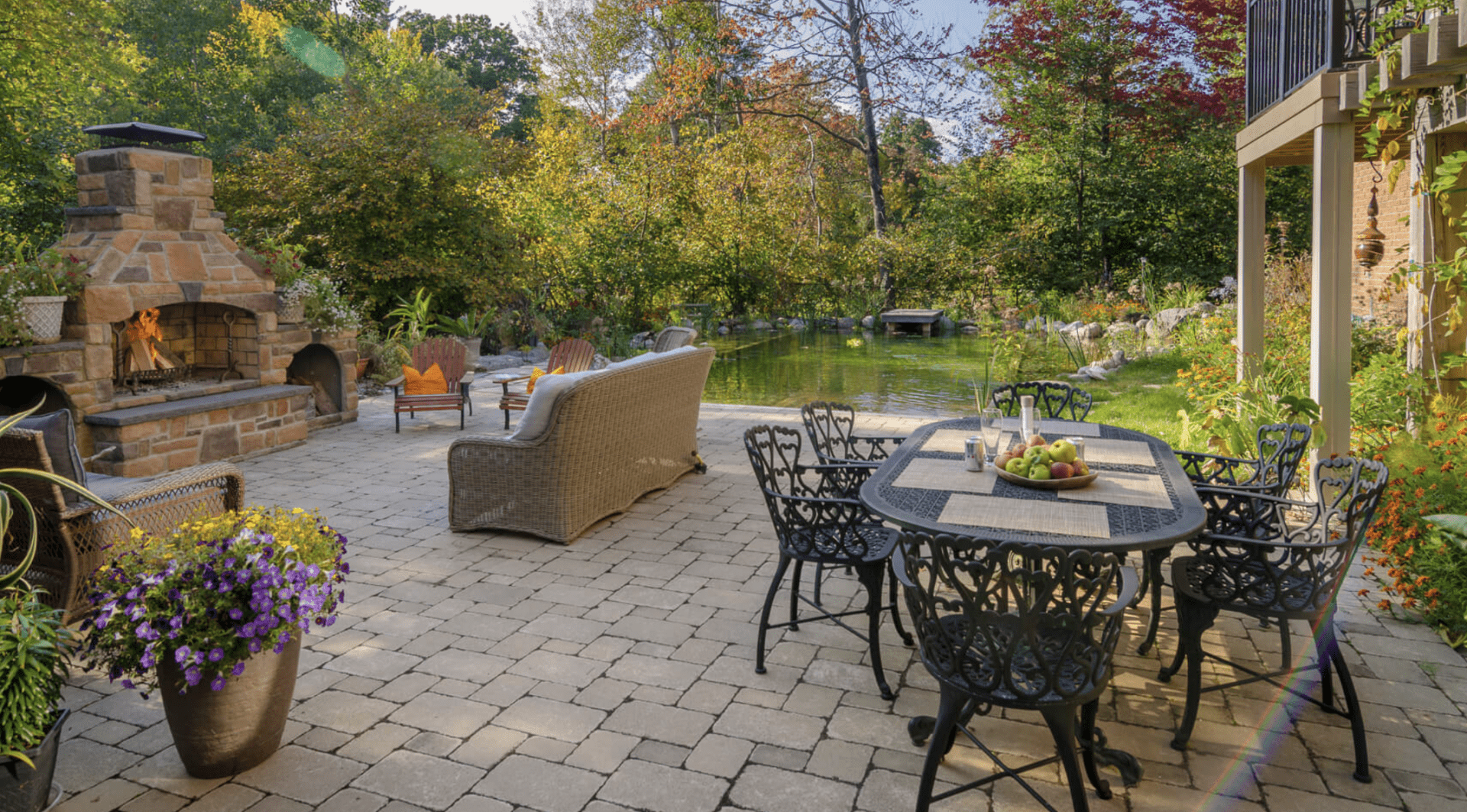
- A natural swimming pond
- Entertaining space
- Layered planting
- Fire feature
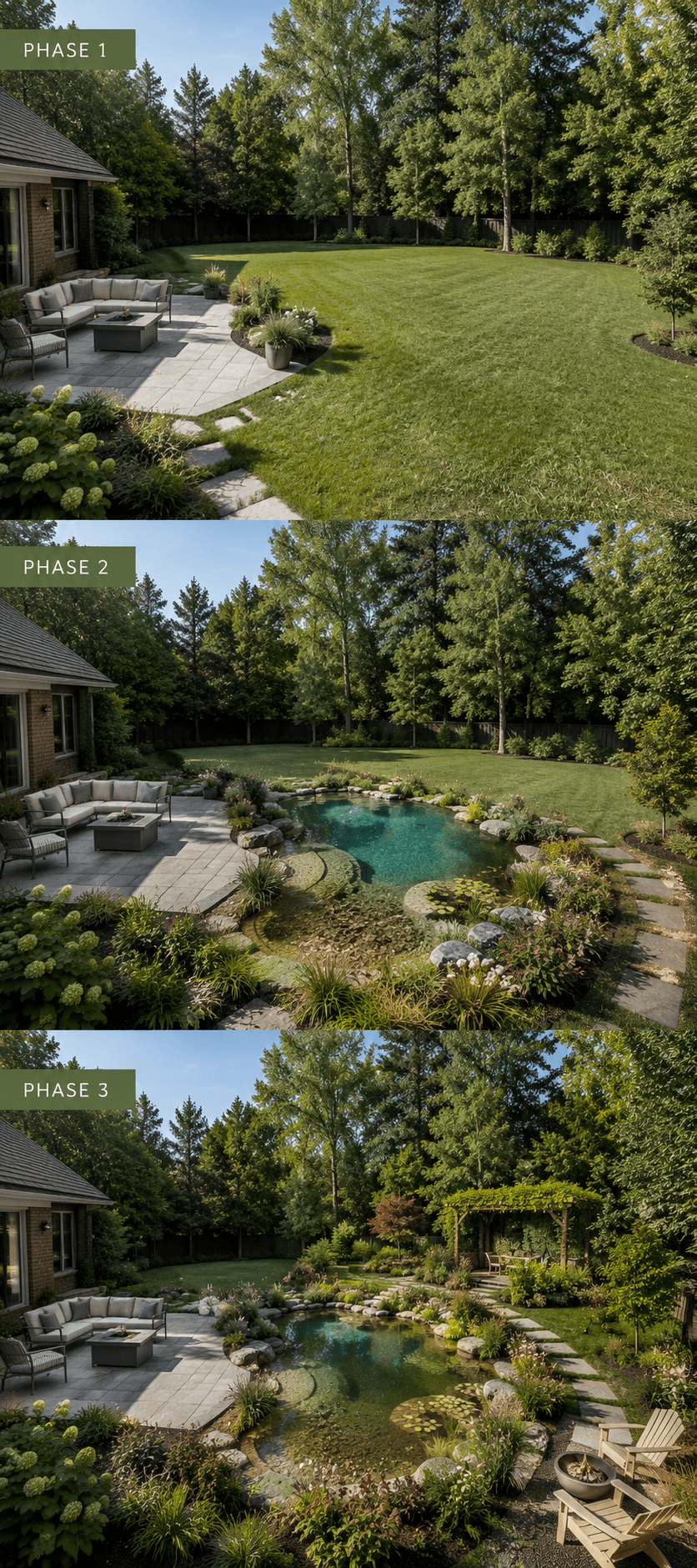
Instead of starting with the pond (the most complex element), the phased approach might look like:
Phase 1:
- Main patio and seating area
- Core grading and drainage
- Foundational planting
Phase 2:
- Natural swimming pond and surrounding landscape
Phase 3:
- Expanded planting, lighting, and finishing details
This allows them to:
- Start enjoying the space immediately
- Build momentum
- Avoid disrupting finished areas later
The sequence isn’t just logical—it’s livable.
Step 8: Work With a Team That Thinks Long-Term
Phasing requires foresight.
It’s not just about what’s being built today—it’s about what’s coming next.
A well-managed process includes:
- Clear communication at every stage
- Defined expectations for each phase
- A structured roadmap from start to finish
- A single point of contact to guide decisions
This reduces stress and builds confidence—two things homeowners consistently value when investing in their property.
Because ultimately, a major outdoor project shouldn’t feel chaotic. It should feel exciting, organized, and aligned with your vision.
A Final Thought: Build It Right, Even If It Takes Time
There’s a quiet confidence in doing things properly. Not rushing. Not cutting corners. Not chasing trends.Just a clear vision—executed thoughtfully, one step at a time.
Phasing your outdoor living project isn’t about delay. It’s about intention. It’s about creating a space that feels cohesive, natural, and deeply aligned with how you live.
And when it’s done right, the final result doesn’t feel like phases at all. It feels like it was always meant to be there