Seasonal vs. Monthly Garden Care: What Actually Serves Your Garden
Seasonal vs. Monthly Garden Care: What Actually Serves Your Garden (and Your Home)?
There’s a quiet question many homeowners wrestle with:
Does my garden really need monthly care… or is a few seasonal cleanups enough?
It’s a practical question. A budget question. A time question.
But underneath it, there’s often something deeper.
You didn’t invest in your landscape just to “keep it from getting out of control.” You created it because you wanted something beautiful.
Something calming. Something that makes you exhale when you pull into the driveway.
The real question isn’t just how often someone should come? It’s what kind of relationship do you want with your garden?
Let’s walk through it thoughtfully.
What Seasonal Garden Care Actually Does
Seasonal care usually means 3–4 larger visits per year:
- Spring cleanup and pruning
- Summer shaping
- Fall cutbacks and preparation
- Winter protection (when needed)
This approach works like a reset button.
It restores order. It refreshes. It prepares the garden for what’s next.
For some landscapes, that’s enough.
Seasonal Care Works Best For:
- Simpler plant palettes
- Shrub-dominant landscapes
- Properties with minimal perennial beds
- Homeowners who are comfortable with some in-between growth
- Gardens where “tidy” isn’t the highest priority
If your landscape is largely established and low-complexity, seasonal attention can maintain general health.
But there’s something important to understand:
Nature doesn’t operate in seasons. It operates in weeks.
What Monthly Garden Care Really Means
Monthly care isn’t about “doing more.”
It’s about being present before problems escalate.
When we’re in a garden regularly, we’re able to:
– Catch early pest or disease issues
– Adjust irrigation before stress sets in
– Deadhead perennials at the right moment
– Prune with precision instead of correction
– Prevent weeds instead of battling them
– Shape plants gradually instead of cutting them back hard
It becomes proactive rather than reactive.
And that changes everything.
The Hidden Cost of “Waiting Until It’s Bad”
One of the most common patterns we see is this:
A garden looks beautiful in May.
By mid-July, it’s slightly overgrown.
By August, weeds are established.
By September, plants are stressed.
By fall cleanup, it requires aggressive correction.
The garden recovers… but it never quite reaches its potential.
Repeated heavy pruning stresses shrubs.
Late weed removal disturbs soil structure.
Reactive fertilization creates imbalances.
Over time, the landscape survives — but it doesn’t truly thrive.
And that’s not what you invested in.
The Type of Garden That Thrives with Monthly Care
Monthly care makes the biggest difference in:
- Perennial-heavy gardens
- Layered planting designs
- Luxury outdoor living spaces
- High-visibility front yards
- Homes where curb appeal and elegance matter
- Landscapes designed with seasonal bloom succession
These gardens are living compositions.
They’re dynamic. They’re nuanced. They need subtle guidance.
It’s similar to fine woodworking or architectural detailing – small refinements preserve beauty. Neglect requires renovation.
There’s Also an Emotional Side
Your landscape isn’t just a collection of plants. It’s where:
- You decompress after long days.
- You drink coffee in the morning.
- Your kids run barefoot.
- You host friends on warm evenings.
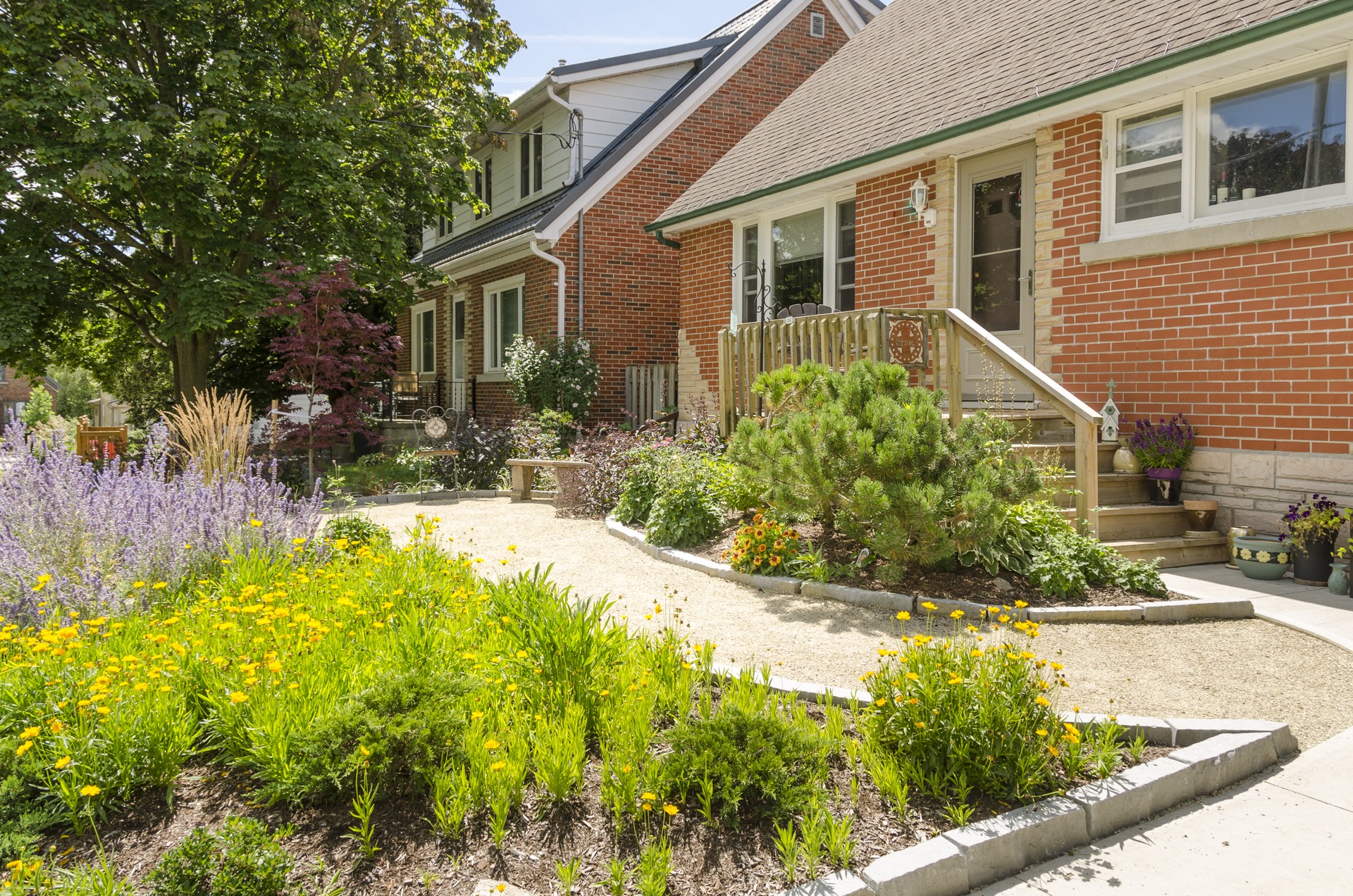
A well-cared-for garden feels settled. Balanced. Intentional.
An overgrown or struggling garden creates low-level tension — even if you can’t name it.
Monthly stewardship preserves the feeling you wanted when you built it.
So… Which Is “Right”?
There isn’t a universal answer.
If your property is simple, established, and you’re comfortable with some fluctuation, seasonal care can work.
If your landscape is layered, curated, or deeply integrated into how you live, monthly care protects your investment and elevates the experience.
The real question becomes:
Do you want maintenance…
or stewardship?
At Quiet Nature, we believe gardens deserve consistency, observation, and thoughtful attention — not just correction when things get out of hand.
Because when a landscape is cared for well, it doesn’t just look better.
It feels better.
And that feeling is the whole point.