Hydrangeas in Southern Ontario: Care, Pruning,
and Why They Fail
There’s a quiet kind of heartbreak that happens in gardens every year. A hydrangea is planted with hope — lush blooms, soft colors, that timeless,
almost romantic presence. But then summer comes… and nothing. Or worse: a few leaves, maybe one hesitant bloom, and a sense that something went wrong.
If you’ve experienced that, you’re not alone. Hydrangeas are one of the most misunderstood plants in Southern Ontario landscapes.
They’re often labeled as “easy,” but the truth is more nuanced. When they thrive, they transform a space.
When they struggle, it’s usually for very specific, preventable reasons.
This guide is about getting it right — not just keeping hydrangeas alive, but helping them truly belong in your landscape.
Why Hydrangeas Behave Differently in Southern Ontario
Southern Ontario sits in a unique climate zone. Cold winters, unpredictable spring frosts, humid summers, and fluctuating rainfall all influence how hydrangeas grow.
What works in milder climates often doesn’t translate directly here.
The most important thing to understand is this: not all hydrangeas are created equal — especially when it comes to blooming habits and winter resilience.
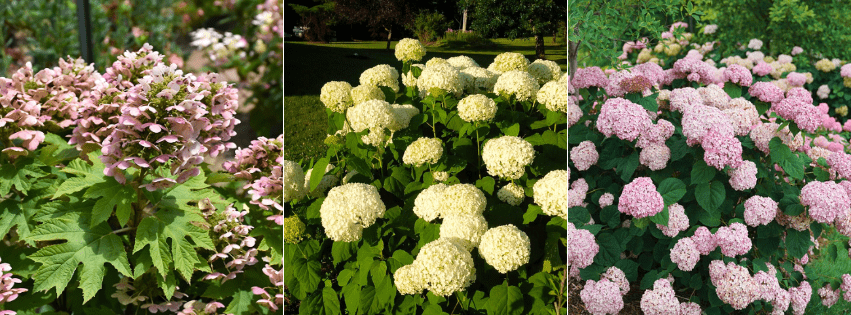
The Three Most Common Hydrangea Types:
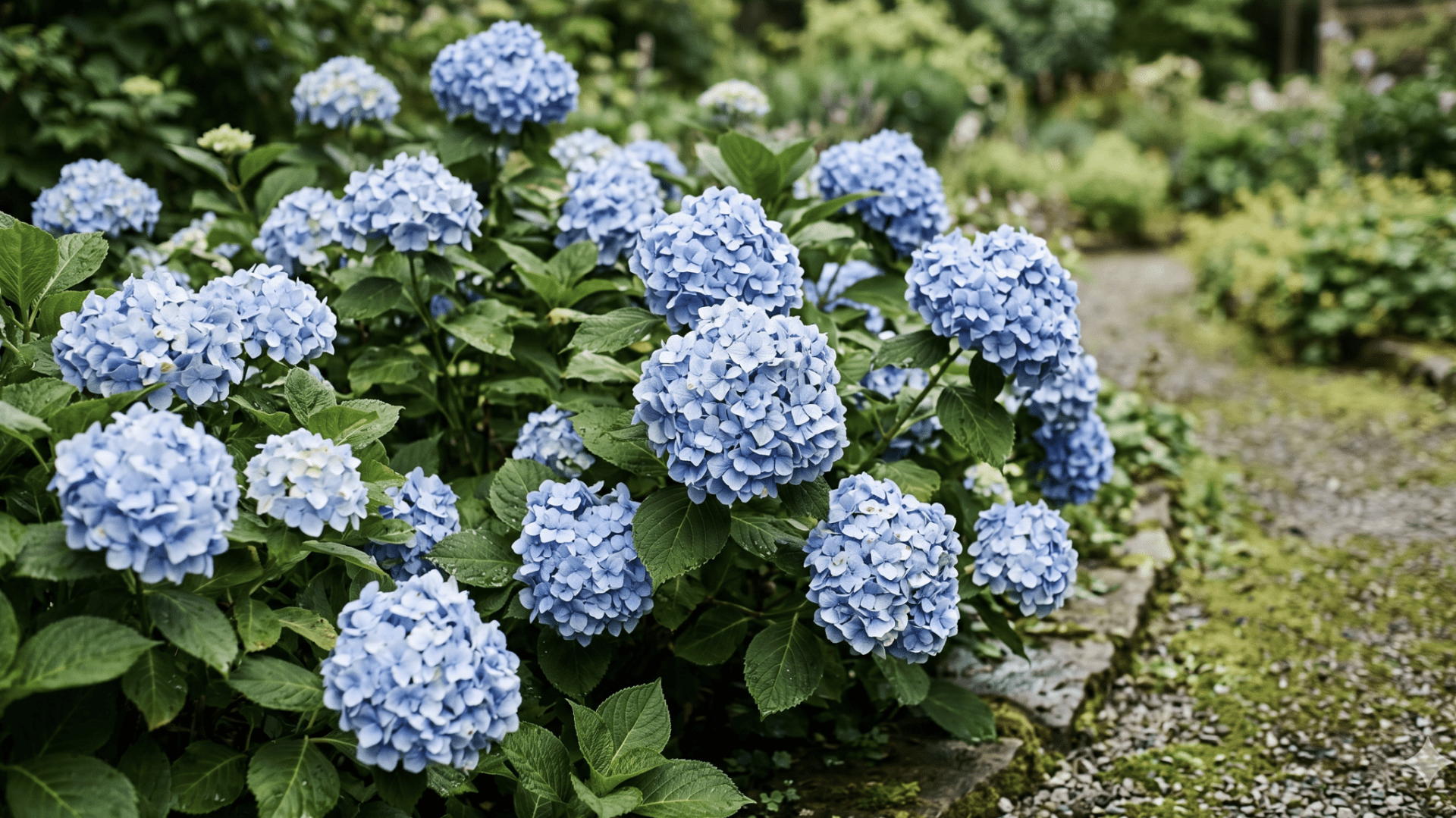
1. Bigleaf Hydrangeas
(Hydrangea macrophylla)
These are the classic blue and pink hydrangeas.
- Bloom on old wood (last year’s growth)
- Vulnerable to winter damage
- Most likely to fail in colder zones
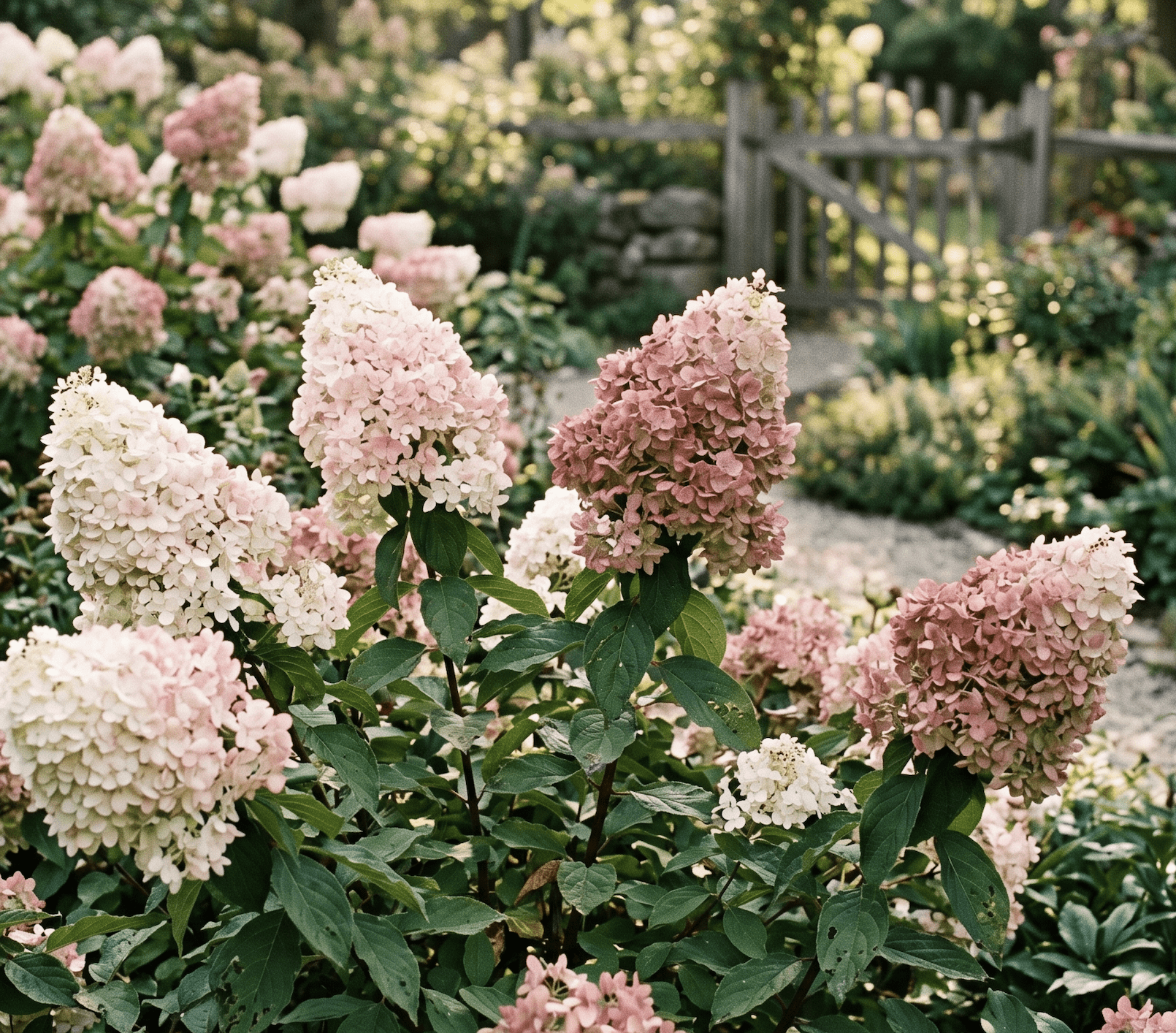
2. Panicle Hydrangeas
(Hydrangea paniculata)
A staple in many successful Ontario landscapes.
- Bloom on new wood
- Extremely cold-hardy
- Reliable flowering every year

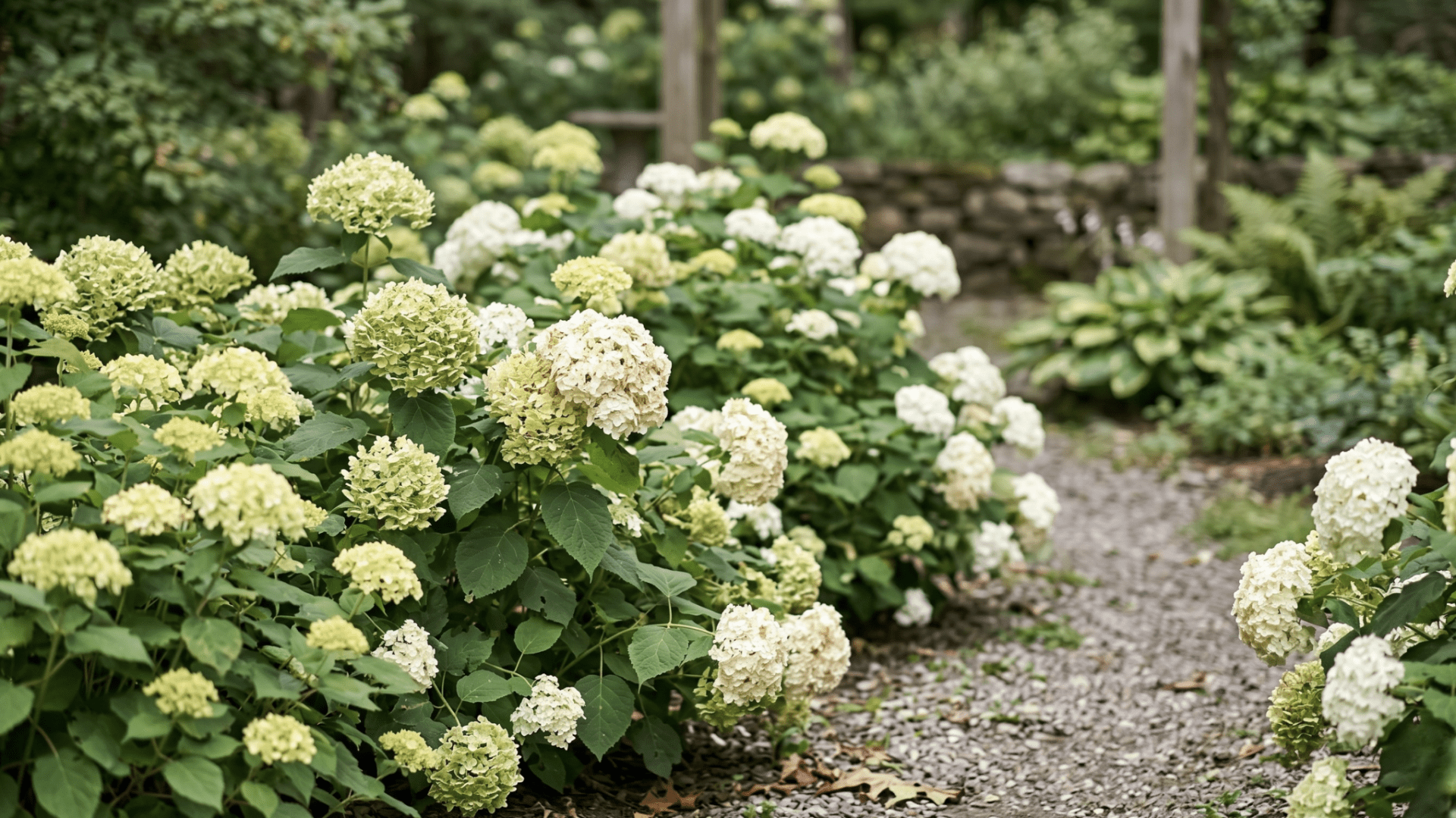
3. Smooth Hydrangeas
(Hydrangea arborescens)
Soft, cloud-like blooms (like ‘Annabelle’).
- Bloom on new wood
- Handle cold well
- Can flop without proper structure or placement
If you’ve planted hydrangeas and they haven’t bloomed, there’s a strong chance the issue ties back to the type — and how it responds to winter.
The Common Reasons Hydrangeas Fail
When hydrangeas struggle, it’s rarely random. There’s usually a clear cause hiding beneath the surface.
1. Improper Pruning
This is the number one reason hydrangeas don’t bloom.
If you prune a hydrangea that blooms on old wood at the wrong time (typically fall or early spring), you’re cutting off next season’s flowers.
What this looks like:
- Healthy plant
- No blooms
- Consistent year after year
2. Winter Dieback
Southern Ontario winters can be harsh enough to kill buds on old wood hydrangeas.
Even if the plant survives, the flower buds may not.
Common signs:
- Leaves return in spring
- No flowers appear
- Occurs after colder-than-usual winters
3. Too Much Shade
Hydrangeas are often marketed as shade plants — but that’s misleading.
Most varieties need at least 4–6 hours of sunlight to bloom well.
Too much shade results in:
- Lush leaves
- Weak stems
- Few or no flowers
4. Inconsistent Watering
Hydrangeas are thirsty, but they don’t like extremes.
- Too dry → wilting and stress
- Too wet → root issues and poor growth
Consistency matters more than volume.
5. Poor Soil Conditions
Hydrangeas prefer:
- Well-draining soil
- Rich organic matter
- Slightly acidic to neutral pH
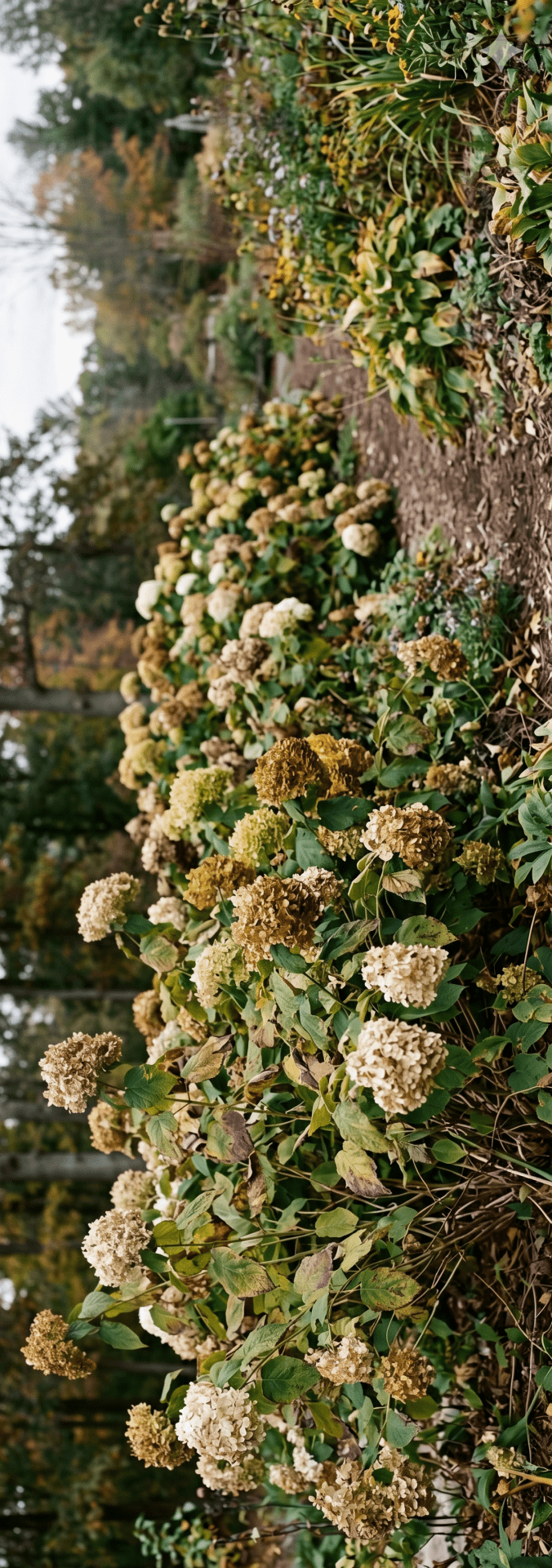
Heavy clay soil — common in parts of Southern Ontario — can suffocate roots if not amended.
How to Care for Hydrangeas (the Right Way)
A thriving hydrangea isn’t the result of luck. It’s the outcome of alignment — plant, placement, and care working together.
Choose the Right Location
Before anything else, placement determines success.
Ideal conditions:
- Morning sun, afternoon shade
- Protection from harsh wind
- Good air circulation
Panicle hydrangeas can handle more sun, while bigleaf varieties benefit from partial shade.
Water with Intention
Hydrangeas prefer deep, consistent watering.
- Water at the base (not the leaves)
- Keep soil evenly moist, not soggy
- Mulch to retain moisture and regulate temperature
A layer of organic mulch (2–3 inches) can make a significant difference, especially during hot Ontario summers.
Feed Thoughtfully
Over-fertilizing can lead to lush foliage but fewer blooms.
Use:
- A balanced, slow-release fertilizer in spring
- Compost to improve soil health naturally
Less is often more.
Pruning Hydrangeas Without Guesswork
Pruning is where most homeowners go wrong — but it doesn’t have to be complicated.
The key is understanding when your hydrangea sets its blooms.
Hydrangeas That Bloom on Old Wood
(Bigleaf, some mountain varieties)
- Prune right after flowering
- Avoid fall and early spring pruning
- Focus on removing dead or weak stems only
Hydrangeas That Bloom on New Wood
(Panicle and smooth hydrangeas)
- Prune in late winter or early spring
- Can be cut back more aggressively
- Encourages strong, structured growth
A Simple Rule to Remember
If you’re unsure what type you have:
Don’t prune heavily.
Light shaping is safer than removing potential blooms.
A Real-World Scenario: Why One Hydrangea Thrives and Another Fails
We’ve seen this many times in landscape projects.
Two homes. Same street. Same climate.
One has full, blooming hydrangeas every summer. The other has green shrubs with no flowers.
The difference usually comes down to three factors:
- Plant selection
The thriving landscape uses panicle hydrangeas — chosen intentionally for the climate. - Placement
The successful plants receive morning sun and are protected from the wind. - Maintenance approach
Pruning is done at the correct time, and soil is amended regularly.
It’s rarely about effort. It’s about alignment.
Designing with Hydrangeas in Mind
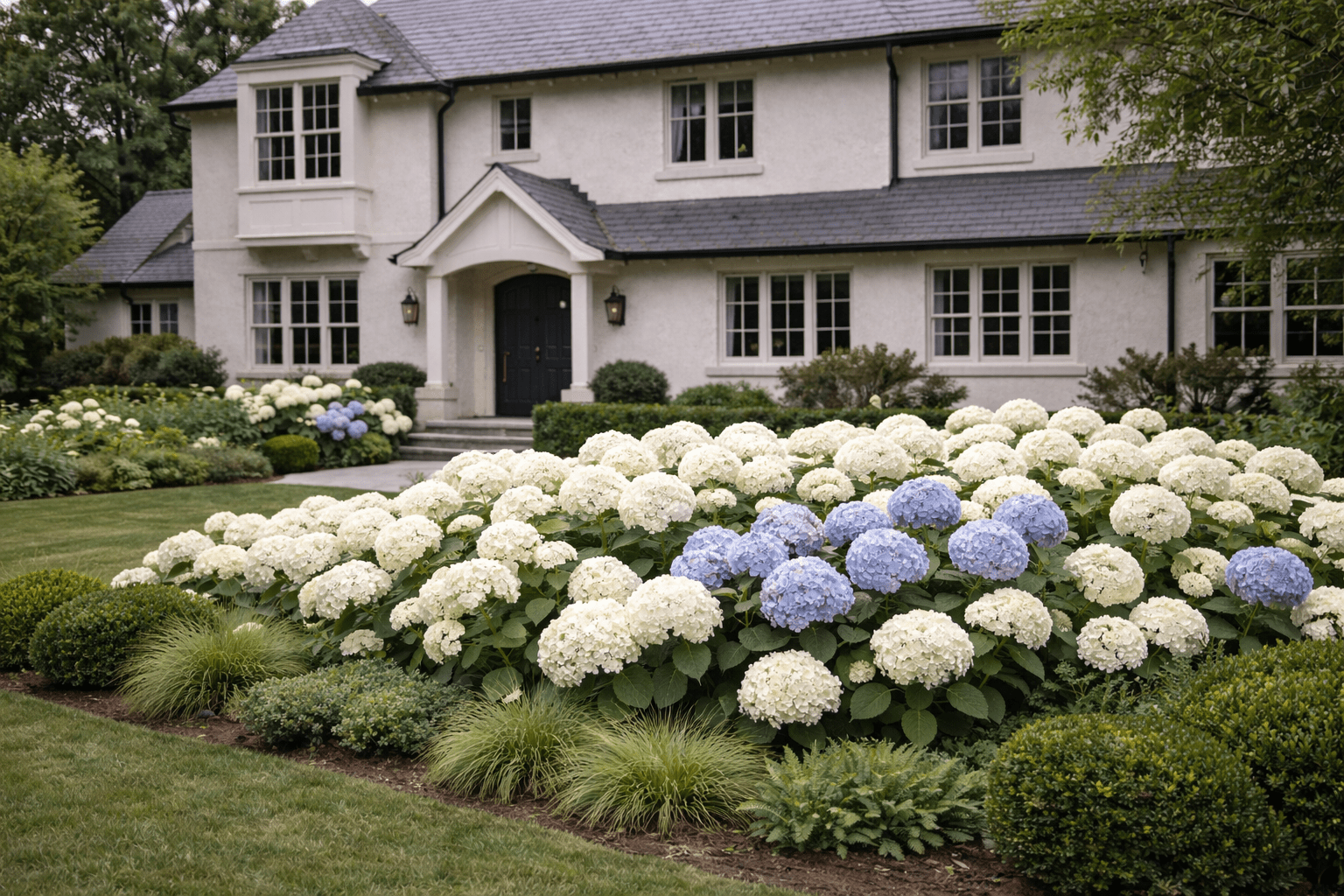
When used intentionally, they can:
- Frame pathways
- Soften hardscapes
- Create seasonal focal points
- Add rhythm and repetition to a design
Pairing Hydrangeas with Other Elements
For a more elevated, natural look:
- Combine with ornamental grasses for movement
- Layer with evergreens for year-round structure
- Integrate with stone features or natural pools for contrast
In well-designed spaces, hydrangeas don’t feel added — they feel integrated.

The Deeper Reason Hydrangeas Matter
Hydrangeas have a way of softening a space — not just visually, but emotionally. They signal care. Intention. A willingness to invest in something that unfolds over time. But when they fail, it’s often because they were treated as decorative afterthoughts instead of living elements that need the right conditions to thrive. At Quiet Nature, we see landscapes differently. We don’t just place plants. We create environments where they can succeed — where every element, from soil to sunlight to structure, works together. Because when a hydrangea blooms the way it’s meant to, it doesn’t just fill space. It changes how that space feels.
___________________________________________________________________________________________________
A Thoughtful Next Step
If your hydrangeas haven’t been performing the way you hoped, it might not be about trying harder — it might be about rethinking the environment they’re in.
Whether it’s selecting more suitable varieties, adjusting placement, or integrating them into a more intentional landscape design, small shifts can lead to entirely different outcomes.
If you’re planning a backyard transformation or looking to create a space that feels more cohesive and alive, Quiet Nature can help guide that process — thoughtfully, and with long-term beauty in mind.