
Irrigation vs Hand Watering:
When It’s Worth It (and When It’s Not)
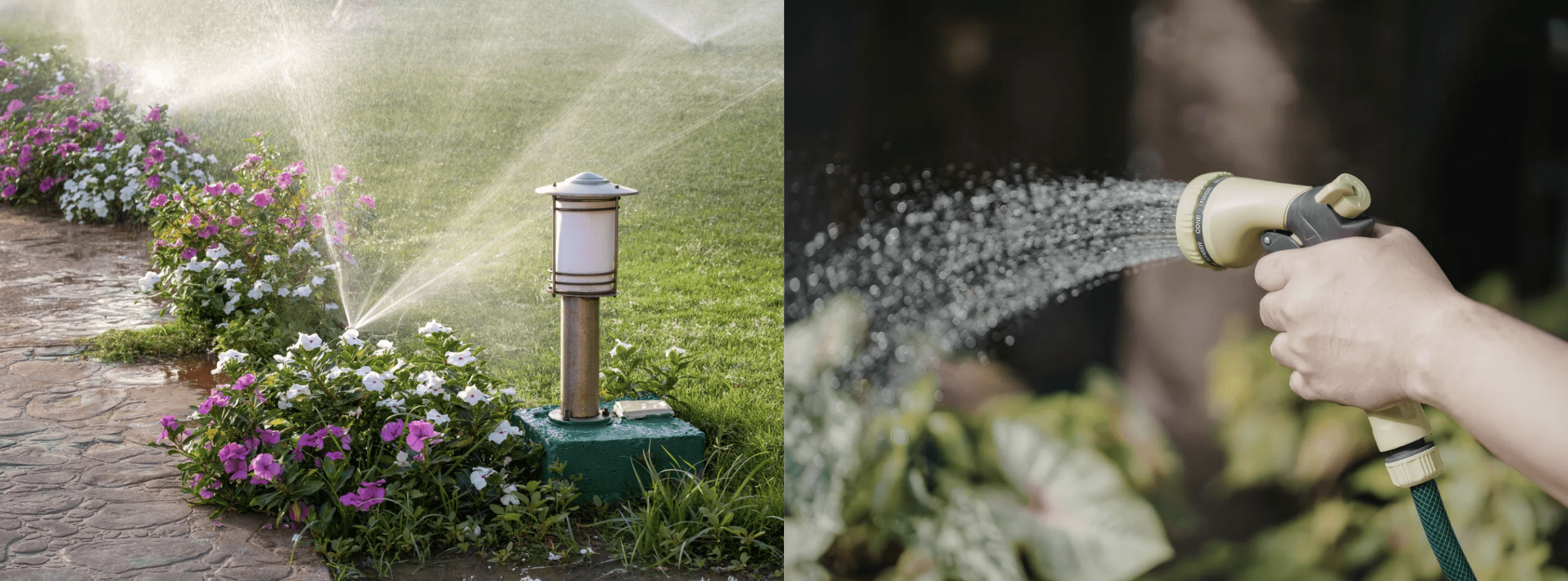
There’s a quiet moment that many homeowners recognize. You step outside in the early morning or just before dusk, hose in hand, watering your garden. It feels grounding.
Intentional. Almost meditative. But then life gets busy. A missed day turns into three. Plants start to stress. Lawns fade unevenly.
And suddenly, what once felt peaceful starts to feel like pressure. This is where the question begins to surface:
Should we install an irrigation system—or just keep watering by hand? The answer isn’t as simple as convenience vs cost.
It’s about how your landscape is designed, how you live, and what kind of relationship you want with your outdoor space.
Let’s explore when irrigation is truly worth it—and when it’s not.
The Real Purpose of Watering (That Most People Miss)
Before comparing irrigation vs hand watering, it’s worth stepping back.
Watering isn’t just about keeping plants alive. It’s about:
- Establishing root systems deeply and properly
- Supporting long-term plant health (not just short-term appearance)
- Maintaining consistency across your landscape
- Reducing stress—both for plants and for you
In thoughtfully designed landscapes, especially naturalistic ones, watering is part of a broader system, not a standalone task.
At Quiet Nature, we often design with the principle of “right plant, right place”—meaning plants are chosen based on soil, light, and moisture conditions so they thrive with minimal intervention over time. But even the best design still needs support—especially in the early years.
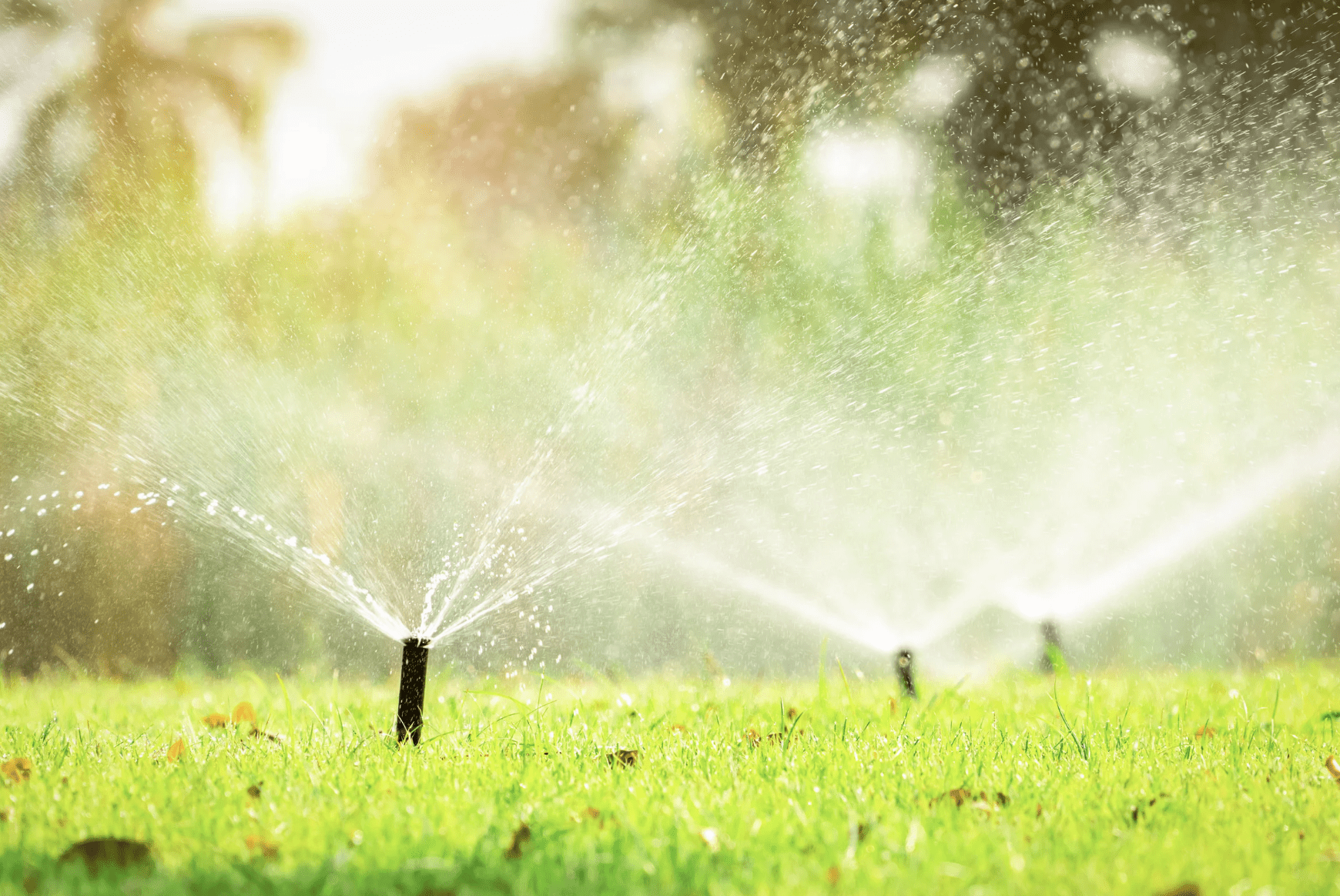
Irrigation Systems:
What You’re Really Paying For
An irrigation system isn’t just about automation.
It’s about precision, consistency, and long-term stability.
What modern irrigation systems offer:
- Automated scheduling (no missed watering days)
- Zone-based watering (lawns, gardens, trees each get what they need)
- Water efficiency through drip irrigation and smart controllers
- Seasonal adaptability (adjusting for rainfall, temperature, etc.)
For many homeowners, the biggest benefit isn’t time saved—it’s peace of mind. You’re not constantly wondering, “Did I water enough this week?”
When Irrigation Is Absolutely Worth It
There are specific situations where irrigation shifts from “nice-to-have” to essential.
1. Large or Complex Landscapes
If your property includes multiple zones—lawns, gardens, trees, water features—manual watering becomes inconsistent quickly.
Real scenario:
A client invests in a full backyard transformation with layered planting, a natural pool, and multiple seating areas. The planting palette includes perennials, shrubs, and young trees.
Hand watering might work for the first week. But over time?
- Some areas get overwatered
- Others get missed
- Plant health becomes uneven
Irrigation ensures every element receives the right amount—consistently.
2. High-Value Planting Design
In premium landscapes, plant material isn’t just decorative—it’s foundational to the experience.
Naturalistic planting (a Quiet Nature specialty) often includes:
- Layered plant communities
- Native and adapted species
- Carefully curated textures and seasonal transitions
These systems need consistent establishment watering, especially in the first 1–2 years.
Without it, even the best design can struggle.
3. Busy Lifestyles (Honest Reality Check)
Many homeowners start with the intention to hand water regularly.
Few sustain it.
If you travel frequently, have a demanding schedule, or simply don’t want watering to become a daily responsibility, irrigation removes that friction.
It allows you to enjoy the space rather than manage it.
4. Lawn-Heavy Properties
Lawns are one of the most water-dependent elements in a landscape.
To keep turf healthy and even:
- Watering must be consistent
- Coverage must be uniform
- Timing matters (early morning is ideal)
This is where irrigation systems—especially properly designed sprinkler zones—excel.
5. Long-Term Investment Protection
When you’ve invested significantly in your outdoor space, irrigation acts as insurance.
It protects:
- Plant material
- Soil structure
- Overall aesthetic quality
At Quiet Nature, we often remind clients: the build is just the beginning—the real value comes from how the space matures over time.
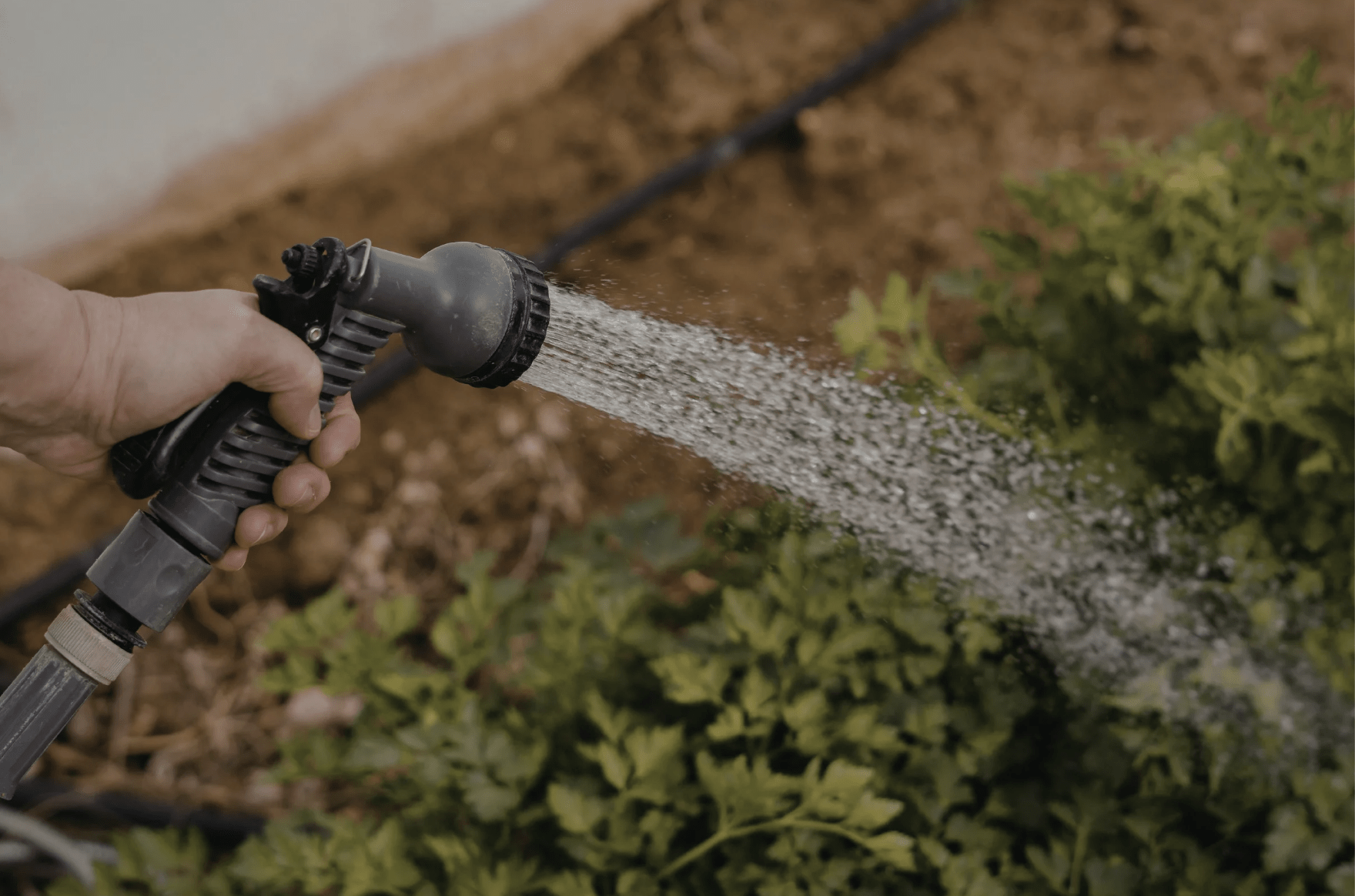
When Hand Watering Still
Makes Sense
Despite the advantages of irrigation, it’s not always the right choice.
In some cases, it’s actually better to keep things simple.
1. Smaller, Simple Gardens
If your landscape is compact and easy to access, hand watering can be:
- Efficient
- Enjoyable
- Sufficient
You can stay connected to your garden while still meeting its needs.
2. Established, Drought-Tolerant Plantings
Mature landscapes designed with:
- Native plants
- Deep-rooted species
- Mulched beds
…often require far less supplemental watering.
In these cases, watering becomes occasional support, not a daily task.
3. Clients Who Genuinely Enjoy the Process
There’s something to be said for slowing down.
For some homeowners, watering is:
- A ritual
- A way to observe changes in the garden
- A moment of quiet connection
If that’s you—and your schedule allows it—hand watering can be a meaningful part of your routine.
4. Budget Priorities
Irrigation systems are an investment.
In early project phases, some clients choose to:
- Focus on core construction (patios, structures, grading)
- Install irrigation later as part of a phased plan
This approach can work well when planned intentionally.
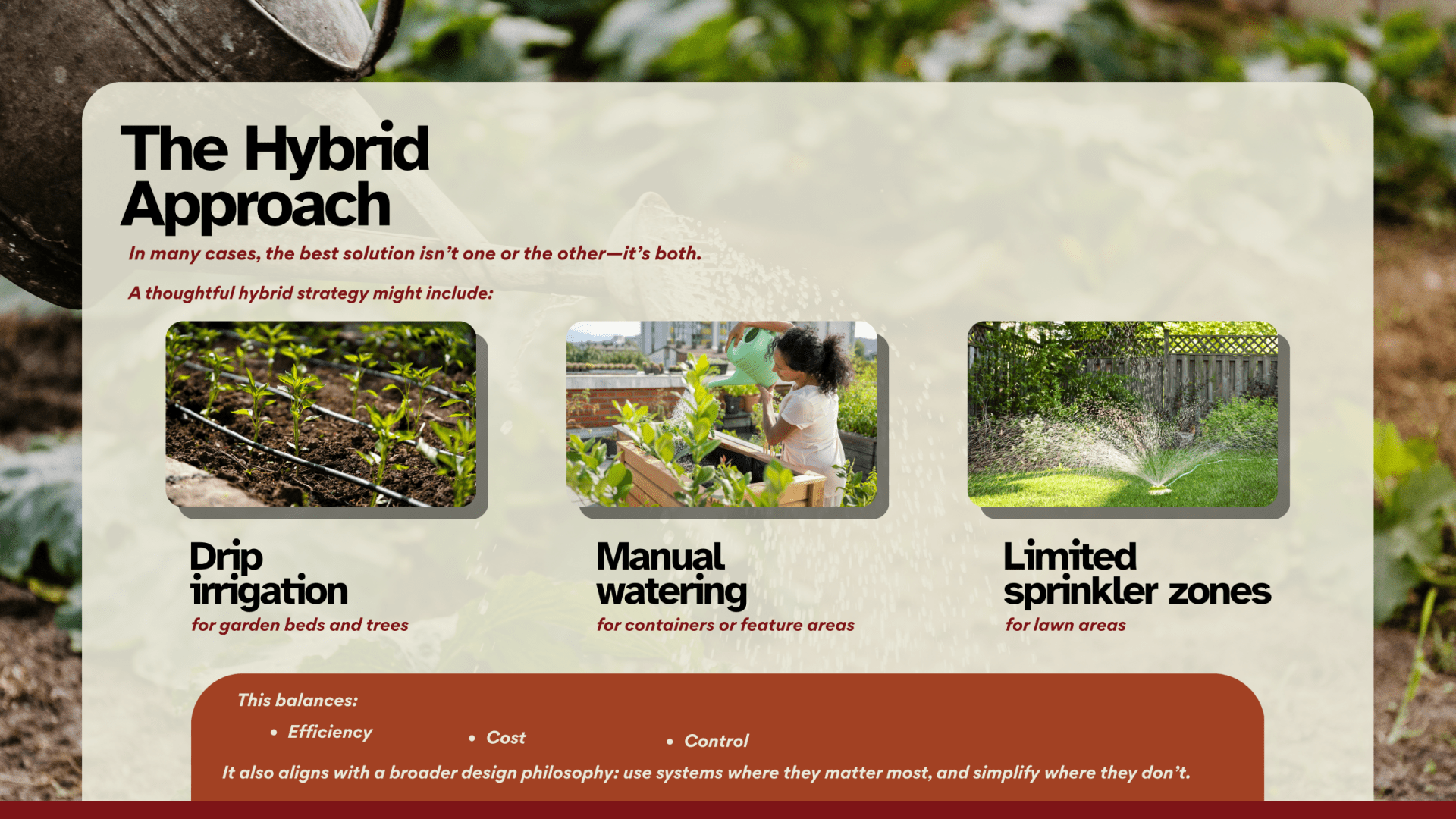
A Design-First Perspective on Watering
One of the biggest mistakes we see isn’t choosing the wrong watering method—it’s trying to solve watering problems after the fact.
Watering should be considered early in the design process.
At Quiet Nature, that means:
- Studying how water moves across the property
- Designing for infiltration and soil health
- Selecting plants that align with natural moisture conditions
- Reducing unnecessary irrigation demand where possible
This approach creates landscapes that feel effortless—not because they require no care, but because they’re designed to work with nature, not against it.
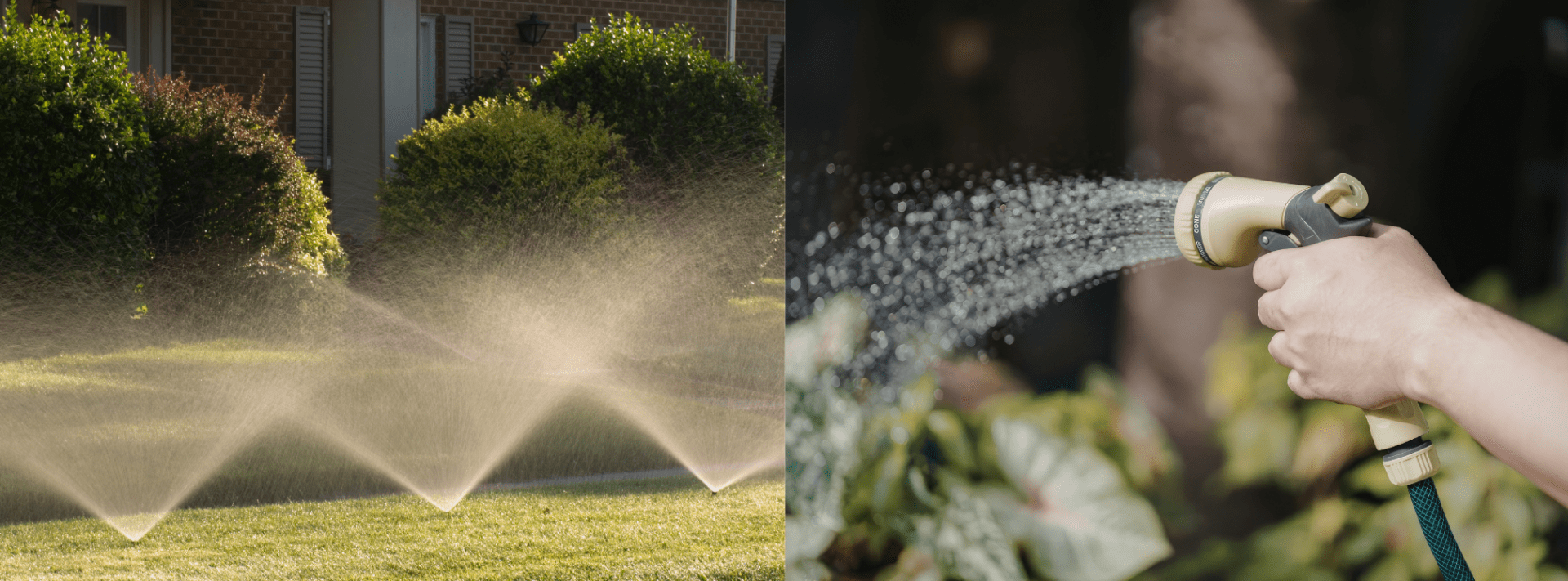
Irrigation vs Hand Watering: A Quick Comparison
Irrigation Systems
Best for:
- Larger properties
- Complex designs
- Busy homeowners
- Long-term consistency
Trade-offs:
- Higher upfront cost
- Requires seasonal maintenance
Hand Watering
Best for:
- Small gardens
- Hands-on homeowners
- Established landscapes
Trade-offs:
- Time commitment
- Risk of inconsistency
Final Thoughts: It’s Not About Watering—It’s About Living
At the end of the day, this decision isn’t really about irrigation vs hand watering.
It’s about how you want your outdoor space to feel.
Do you want:
- A low-maintenance retreat that runs quietly in the background?
- A hands-on garden experience where you’re involved daily?
- Or something balanced in between?
The best landscapes aren’t just beautiful—they’re aligned with your life.
A Quiet Invitation
If you’re thinking about transforming your outdoor space, watering is just one piece of a much larger picture.
At Quiet Nature, we design and build landscapes that are intentional, enduring, and deeply personal—spaces that feel natural, effortless, and truly yours. From planting design to water systems, every detail is considered as part of a cohesive whole.
If you’re exploring what’s possible for your property, we’d be happy to start with a simple conversation.
No pressure. Just clarity, ideas, and a thoughtful next step.