
Outdoor Living Cost Guide for Waterloo Region:
What $40K vs $90K vs $180K Buys
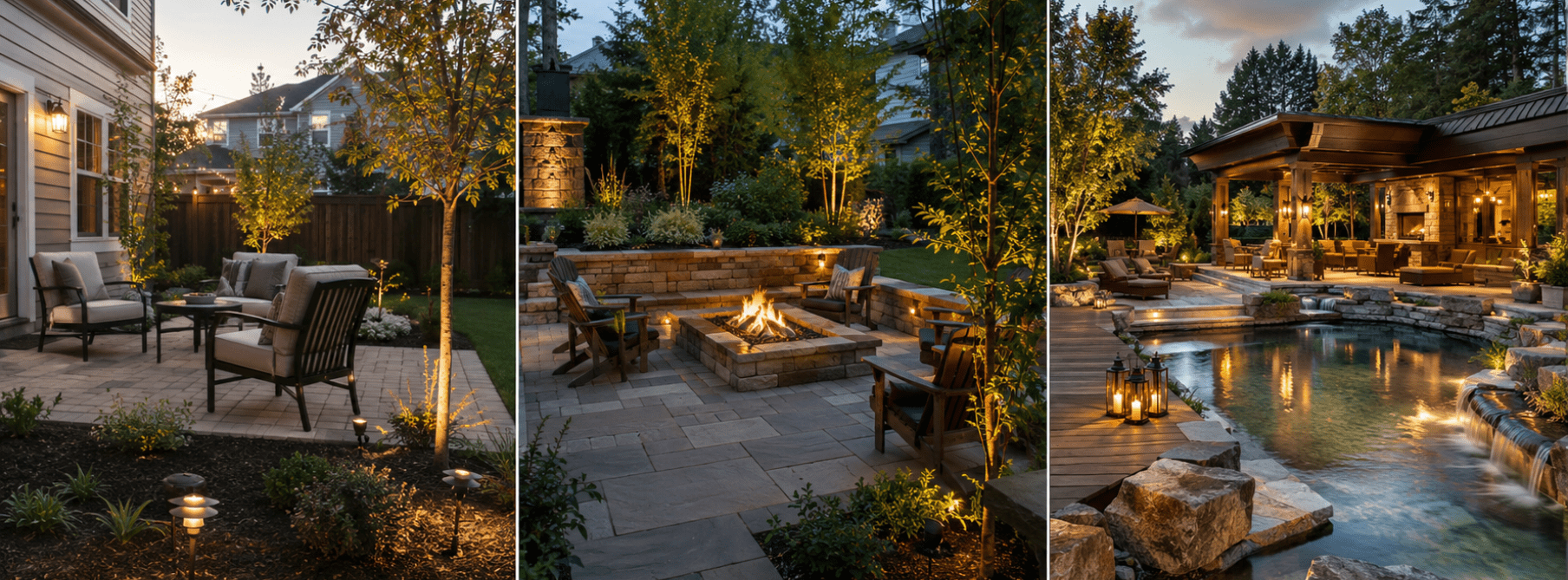
There’s a moment that happens for a lot of homeowners. It’s usually on a warm summer evening. You step outside with a drink, look around your backyard…
and feel a quiet disconnect. The space doesn’t match your home. It doesn’t match how you want to live.
You know it could be something more—but what does that actually cost?
If you’re in Waterloo Region and exploring a backyard transformation, you’ve probably seen wildly different numbers online. One article says $25K,
another says $200K+. It’s confusing—and often not grounded in real, local projects. This guide breaks it down clearly. We’ll walk through what $40,000 vs $90,000
vs $180,000 landscaping budgets typically deliver in Waterloo Region, based on real-world design-build experiences, so you can understand
not just what things cost, but what kind of lifestyle each investment creates.
Why Outdoor Living Costs Vary So Much
Before diving into numbers, it’s important to understand something:
Landscaping isn’t a product—it’s a custom-built environment.
Every property is different. Every family uses their space differently. And every meaningful outdoor space is designed intentionally—not assembled from a checklist.
Here’s what influences cost most:
- Scope of work (single feature vs full-property transformation)
- Materials (natural stone vs precast, custom wood vs standard)
- Site conditions (grading, access, drainage challenges)
- Design complexity
- Craftsmanship and build quality
- Integration of features (lighting, water, planting, structures)
That’s why two $90K projects can look completely different.
Now, let’s ground this in reality.
What a $40K Outdoor
Living Budget Gets You
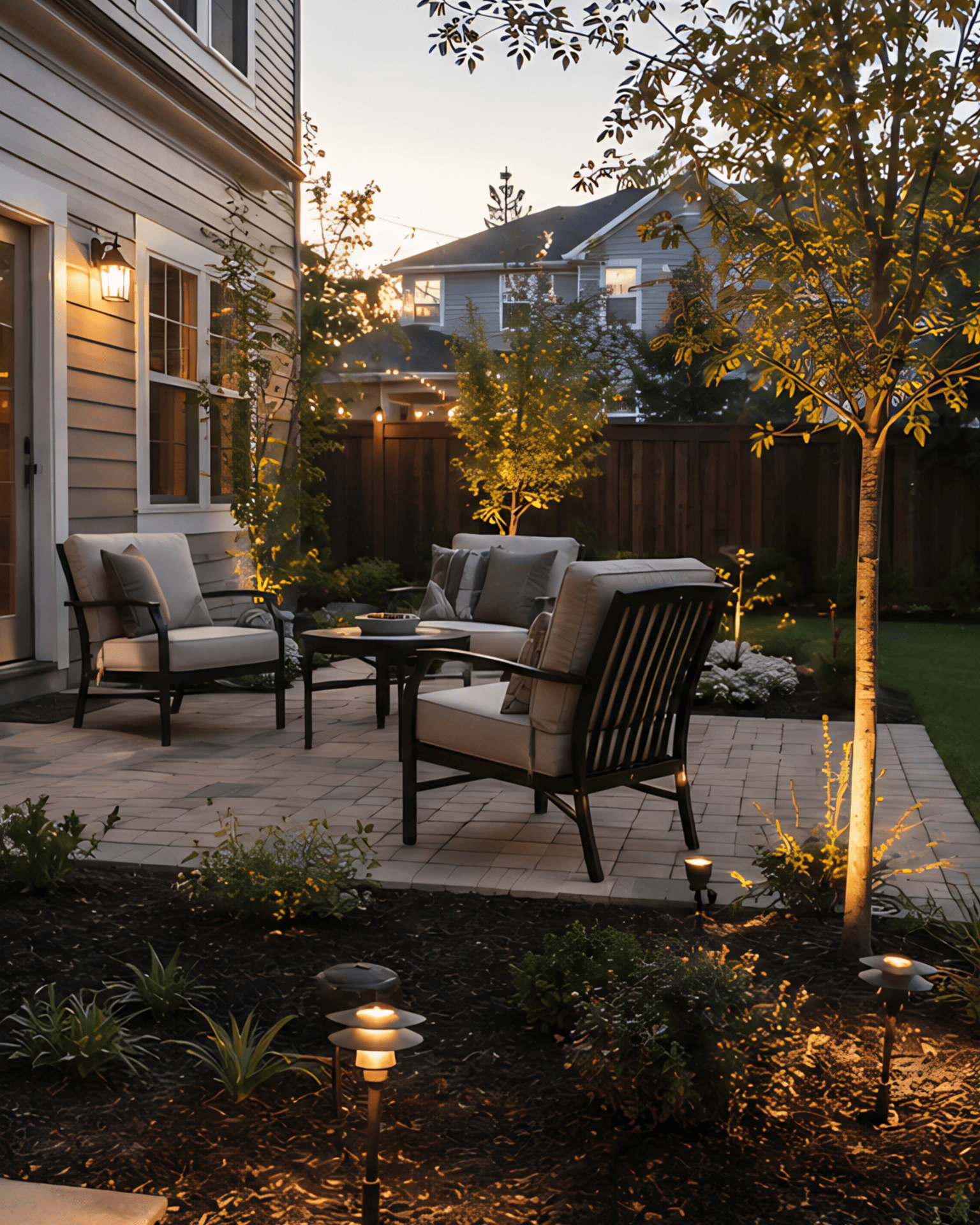
At the $40,000 range in Waterloo Region, you’re typically looking at
a focused, single-zone upgrade rather than a full backyard transformation.
What’s Typically Included
- A well-built patio (often 300–500 sq ft)
- Basic garden bed refresh or new planting
- Entry-level lighting (select areas)
- Minor grading or prep work
What It Feels Like
This level of investment improves how your yard functions, but doesn’t fully redefine it.
Think of it as:
“We finally have a place to sit outside comfortably.”
Example Scenario
A young family in Kitchener invests $40K to replace an aging deck with a ground-level stone patio, adds a few garden beds for softness, and installs subtle lighting.
Before: unused, disconnected backyard
After: a simple, usable outdoor space for evening dinners
Limitations to Expect
- No major structures (pergolas, cabanas)
- Limited integration between areas
- Minimal customization
- Landscaping may still feel “piecemeal.”
When $40K Makes Sense
- You want a targeted upgrade
- You’re okay with phasing the project over time
- Your property doesn’t require major regrading or infrastructure
What a $90K Outdoor Living Budget Gets You
This is where things start to feel intentional.
At around $90,000, you move from “we added something” to:
“This space was designed.”
What’s Typically Included
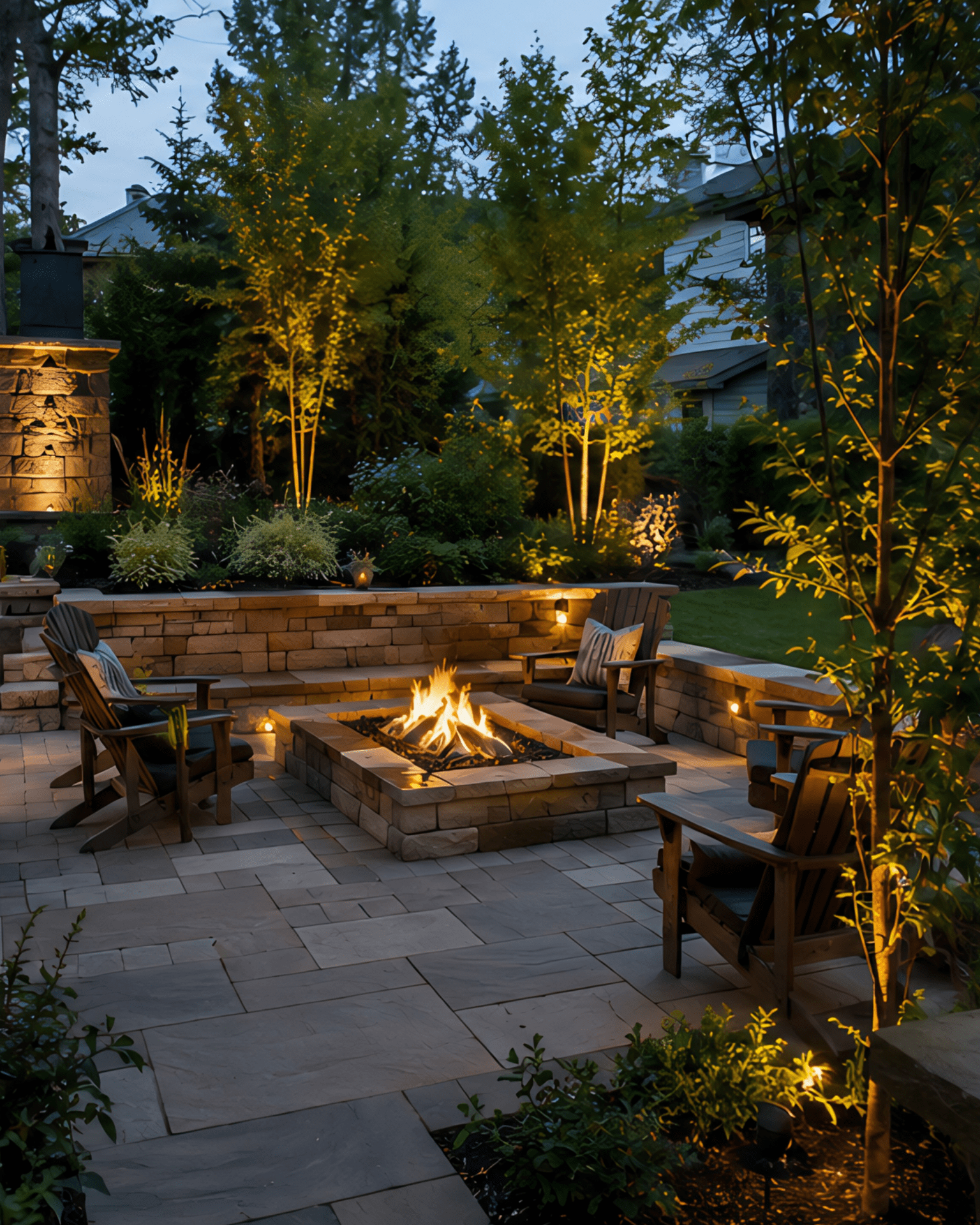
- A larger, more refined patio or multiple zones
- Natural stone or premium materials
- Thoughtful planting design (layered, cohesive)
- Integrated lighting plan
- One or two “anchor features”:
- Small pergola
- Water feature (pondless waterfall, bubbling boulder)
- Fire feature
- Improved flow and layout
What It Feels Like
This is where your backyard starts becoming a place you choose to spend time—not just somewhere you occasionally use.
“We actually host people out here now.”
Example Scenario
A Cambridge homeowner invests $90K into:
- A natural stone patio with a defined dining area
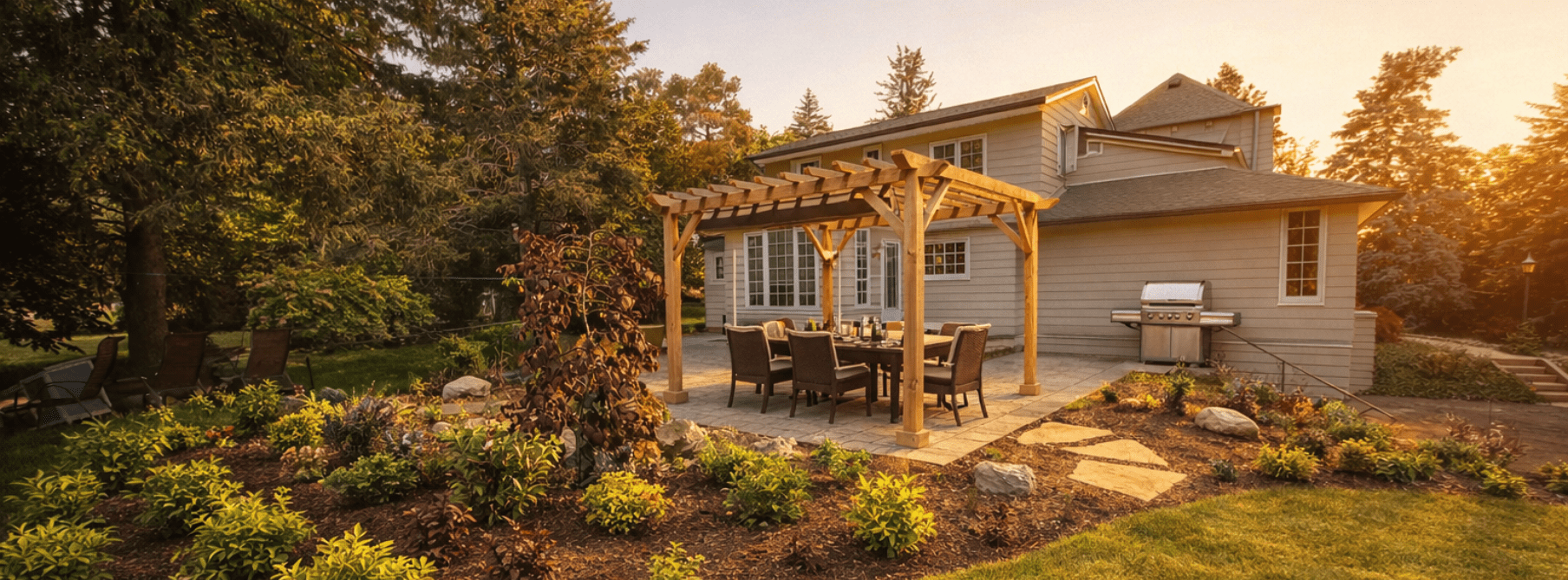
- A small shade pergola
- Layered planting with grasses, perennials, and shrubs
- A bubbling water feature for sound and movement
Before: flat lawn with no purpose
After: a cohesive outdoor living space with atmosphere
What Changes at This Level
- Design starts to lead the project (not just construction)
- Materials feel more permanent and refined
- The space feels connected to the home
Limitations to Expect
- Still not a full-property transformation
- Larger features (like pools or major structures) may not fit
- Some compromises on size or materials
When $90K Makes Sense
- You want a complete-feeling space, but not an estate-level build
- You care about design and aesthetics, not just function
- You want something that feels finished and intentional
What a $180K Outdoor Living
Budget Gets You
At this level, you’re no longer “improving” your backyard.
You’re transforming your lifestyle.
What’s Typically Included
- Full-property design and build
- Multiple outdoor “rooms”:
- Dining area
- Lounge space
- Fire feature zone
- Premium materials throughout
- Custom structures (pergola, pavilion, or cabana)
- Advanced lighting design
- High-end planting plan (mature, layered, seasonal interest)
- Water features or natural pools (depending on scope)
- Significant grading, drainage, and infrastructure work
What It Feels Like
This is where your backyard becomes a destination.
“We don’t feel the need to leave home on weekends anymore.”
Example Scenario
A rural Waterloo property undergoes a $180K transformation:
- Multi-level natural stone terraces
- A custom timber pavilion with integrated lighting
- A stream-fed water feature running through the space
- Dense, naturalistic planting that feels established
- Defined zones for hosting, relaxing, and quiet retreat
Before: large but empty property
After: a private, immersive outdoor environment
What Sets This Level Apart
- Everything is connected—visually and functionally
- The design considers long-term growth and maintenance
- Materials and craftsmanship are built to last decades
- The space reflects how you actually live
When $180K Makes Sense
- You want a true extension of your home
- You value craftsmanship, design, and experience
- You’re investing in a long-term lifestyle upgrade
The Hidden Factor: Phasing vs. Doing It Right Once
A common question is:
“Should we start small and build over time?”
Sometimes, yes. But often, phasing without a plan leads to wasted investment.
Here’s why:
- Early decisions can limit future design options
- Materials and layouts may not align later
- You may pay twice for demolition or rework
A better approach is:
- Start with a complete design plan
- Build in phases intentionally, if needed
This ensures every dollar contributes to a cohesive end result.
Cost Trends in Waterloo Region (2025 Outlook)
Outdoor living has shifted significantly in recent years.
Some broader trends influencing costs:
- Increased demand for at-home lifestyle spaces
- Rising material and labor costs across the construction industry
- Higher expectations for design quality and durability
- Growing interest in naturalistic landscaping and ecological design
Homeowners are no longer asking:
“How do we make the yard look nicer?”
They’re asking:
“How do we actually live out here?”
That shift is what drives investment.
What Most Homeowners Underestimate
After working on hundreds of projects, there are a few consistent surprises:
1. The Importance of Design
Great spaces don’t happen by accident.
Design determines:
- Flow
- Function
- Long-term usability
- Emotional experience
2. The Cost of “Almost Right.”
Cutting corners often leads to:
- Premature repairs
- Design regret
- Spaces that don’t get used
3. The Value of Cohesion
The most satisfying outdoor spaces feel:
- Intentional
- Balanced
- Connected to the home
That doesn’t happen with disconnected upgrades.
A Thoughtful Next Step
If you’re starting to think seriously about your backyard, the best place to begin isn’t with a number—it’s with clarity. What do you want this space to feel like?
What would make you actually use it? From there, the right scope—and investment—becomes much easier to define.
At Quiet Nature, we approach every project as a collaboration. We take the time to understand how you live, what matters to you, and how your outdoor space
can support that—then design something that feels natural, intentional, and lasting.
If you’re exploring what’s possible for your property, we’re always happy to start with a simple conversation.