Pruning Guide for Homeowners:
What to Prune, When, and What Not to Touch
March 18, 2026
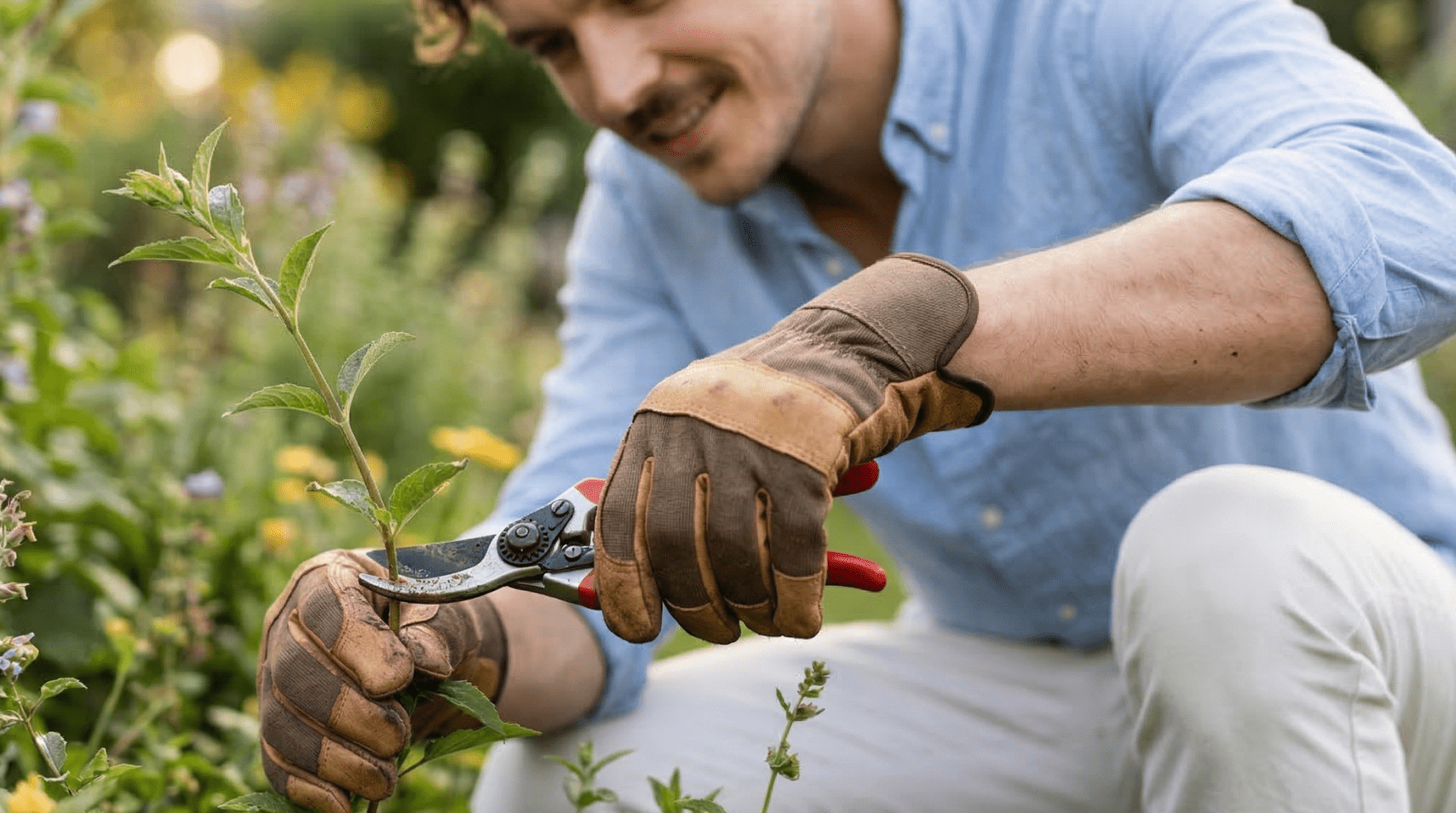
There’s a quiet moment in every garden when something asks to be cut back.
Not dramatically. Not harshly. Just… thoughtfully. A stem that’s finished blooming. A branch that’s grown a little too eager. A shrub that’s starting to lose its shape.
Pruning, when done well, isn’t about control—it’s about stewardship. It’s how you guide your landscape toward health, longevity, and beauty without forcing it into something unnatural.
But here’s where most homeowners get stuck:
What exactly should you prune? When is the right time? And just as importantly, what should you leave alone?
This guide will walk you through it with clarity, so you can care for your landscape with confidence—and avoid the common mistakes that quietly undo good design.
Why Pruning Matters More Than You Think
Pruning isn’t just maintenance; it’s a form of long-term design.
Done correctly, it helps:
- Encourage healthy growth and airflow
- Extend blooming cycles for certain plants
- Maintain structure and proportion in your landscape
- Prevent disease and pest issues
- Highlight the natural beauty of each plant
Done incorrectly, it can:
- Remove next season’s blooms
- Stress or weaken plants
- Create awkward, unnatural shapes
- Lead to long-term decline
The difference often comes down to timing and intention.
What to Prune (And Why)
Not everything in your garden needs regular pruning. But some plants truly benefit from it.
1. Perennials That Rebloom or Fade Quickly
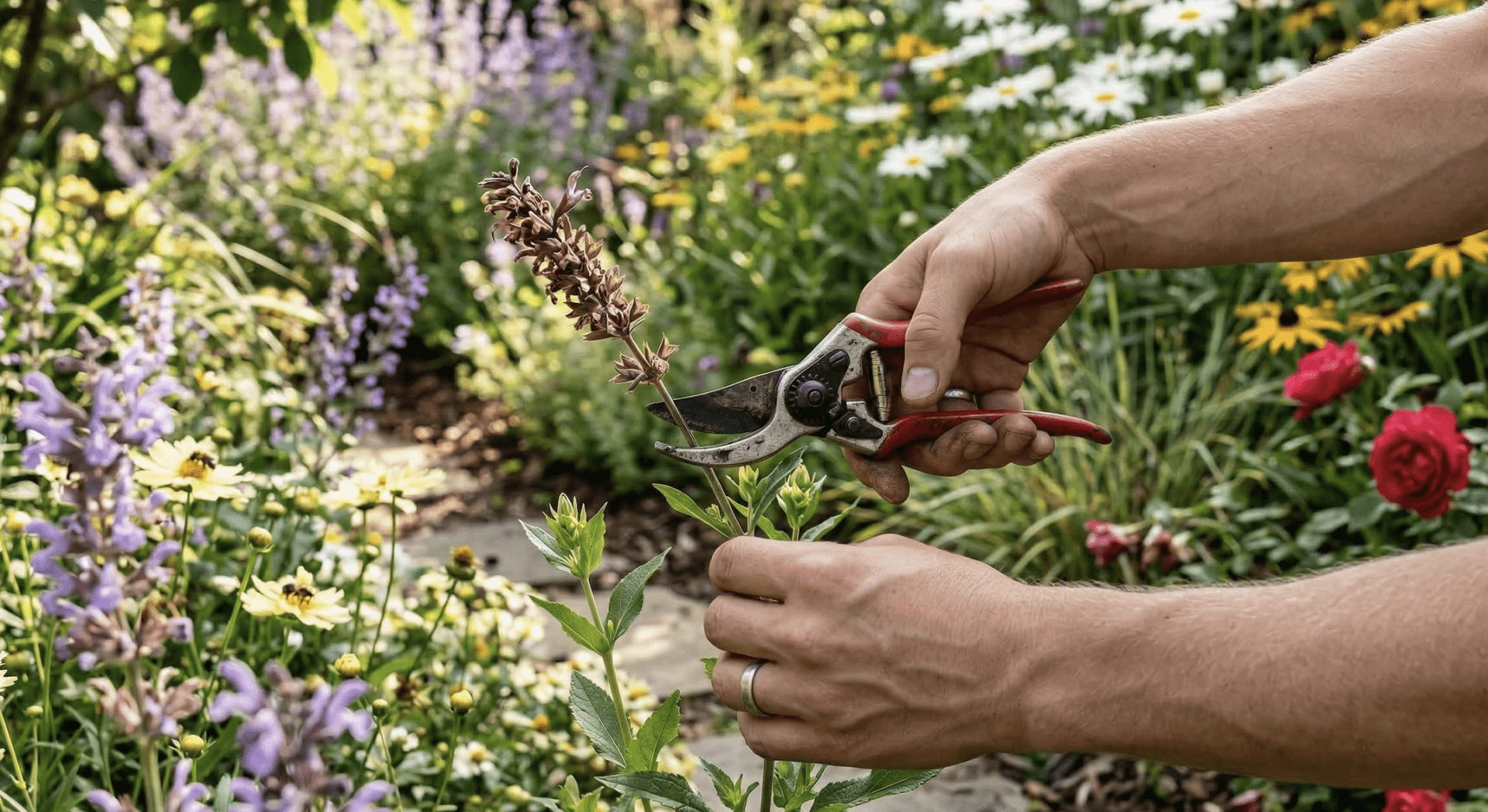
Many flowering perennials thrive when you remove spent blooms—a process called deadheading.
Prune these regularly:
- Salvias
- Coreopsis
- Shasta daisies
- Roses (most varieties)
Why it matters:
Deadheading redirects the plant’s energy from seed production back into new growth and flowers. In many cases, it leads to a second or even third bloom cycle.
Practical example:
In one of our natural garden projects, consistent deadheading of salvias extended the bloom season by nearly two months—keeping the space vibrant well into late summer.
2. Shrubs That Benefit from Shaping
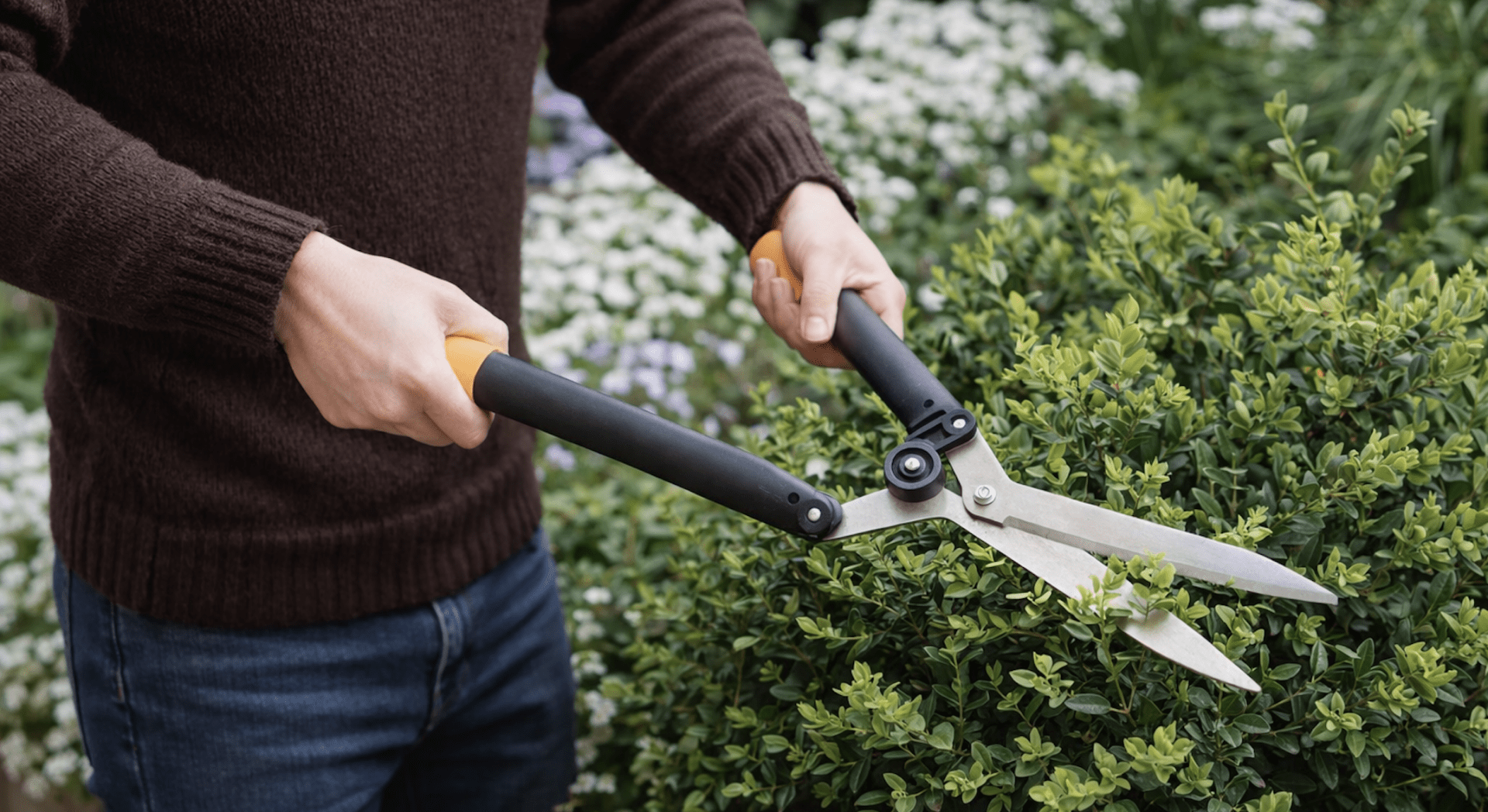
Some shrubs respond beautifully to light structural pruning.
Common examples:
- Boxwood
- Hydrangeas (specific types)
- Viburnum
- Lavender
What to focus on:
- Remove dead or crossing branches
- Maintain natural form—not rigid shapes
- Open up the center for airflow
Important: Avoid turning shrubs into tight geometric forms unless that’s intentionally part of the design. Most landscapes feel more refined when plants are allowed to retain their natural silhouette.
3. Trees (Light Maintenance Only)
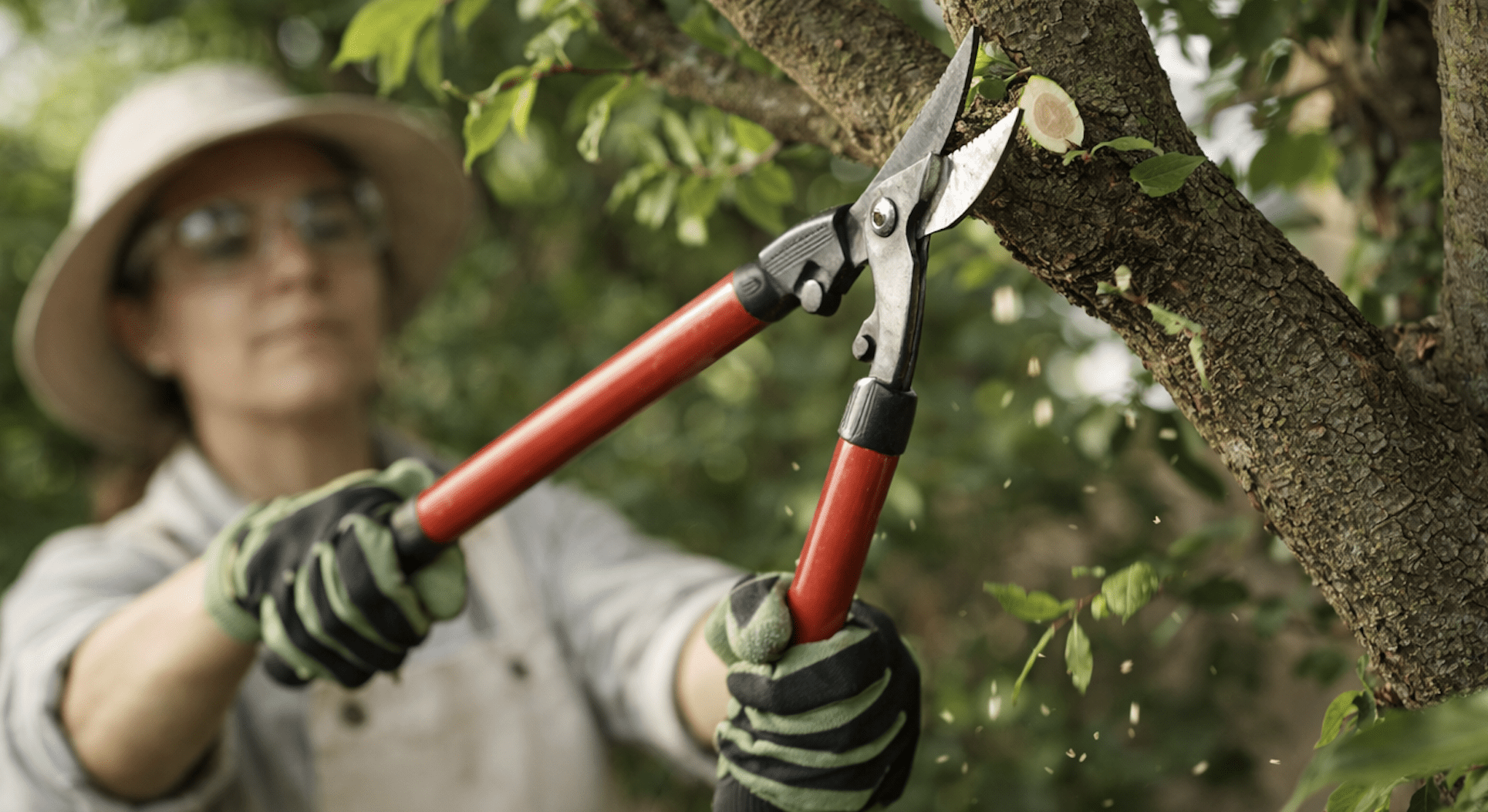
For most homeowners, tree pruning should be minimal and selective.
Safe pruning includes:
- Dead or damaged branches
- Branches rubbing against each other
- Low-hanging limbs affecting pathways
Why it matters:
Strategic cuts improve structure and reduce risk, especially during storms.
For larger or mature trees, it’s always best to consult a professional—improper cuts can cause long-term structural damage.
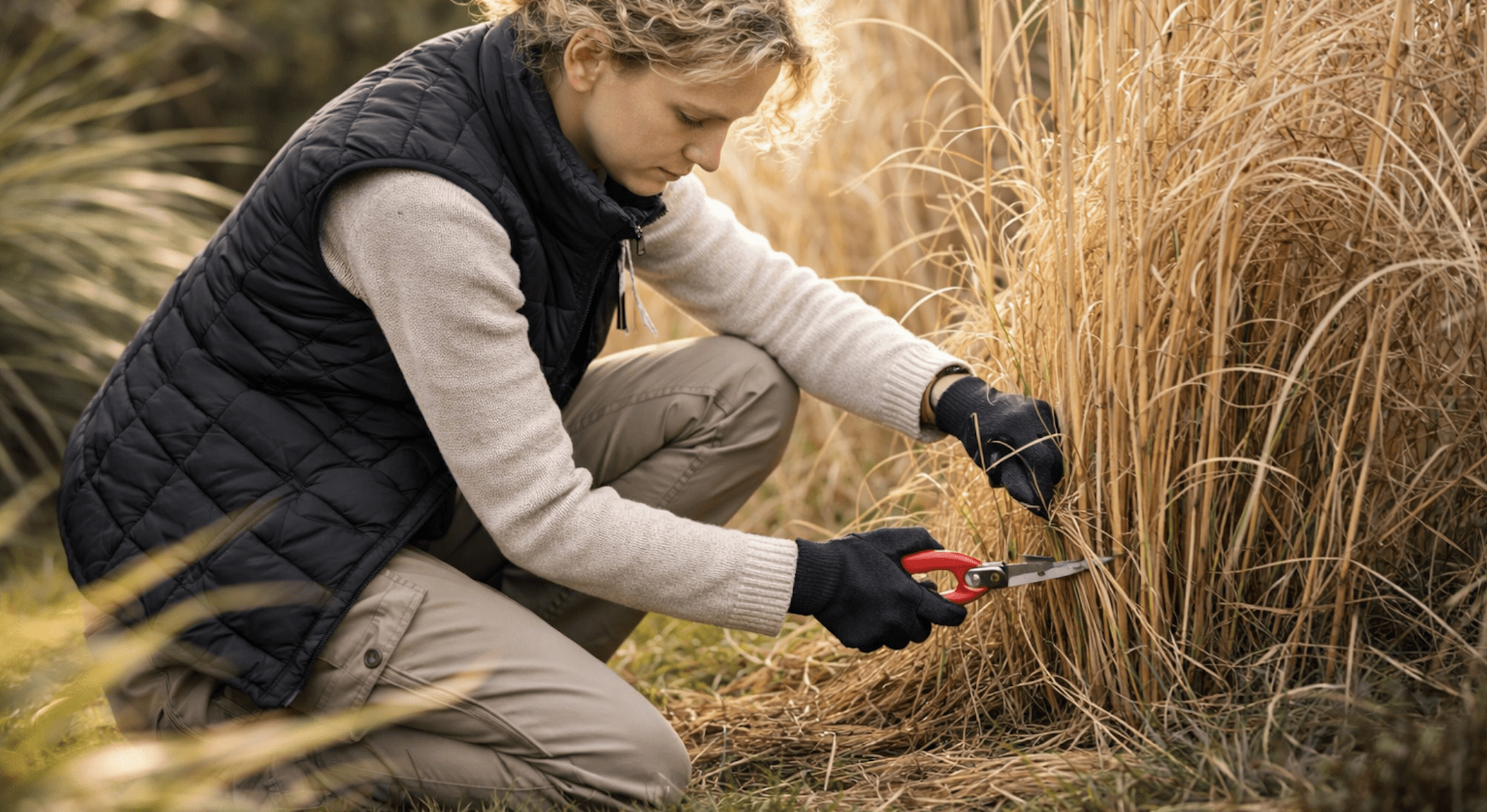
4. Ornamental Grasses (Seasonal Reset)
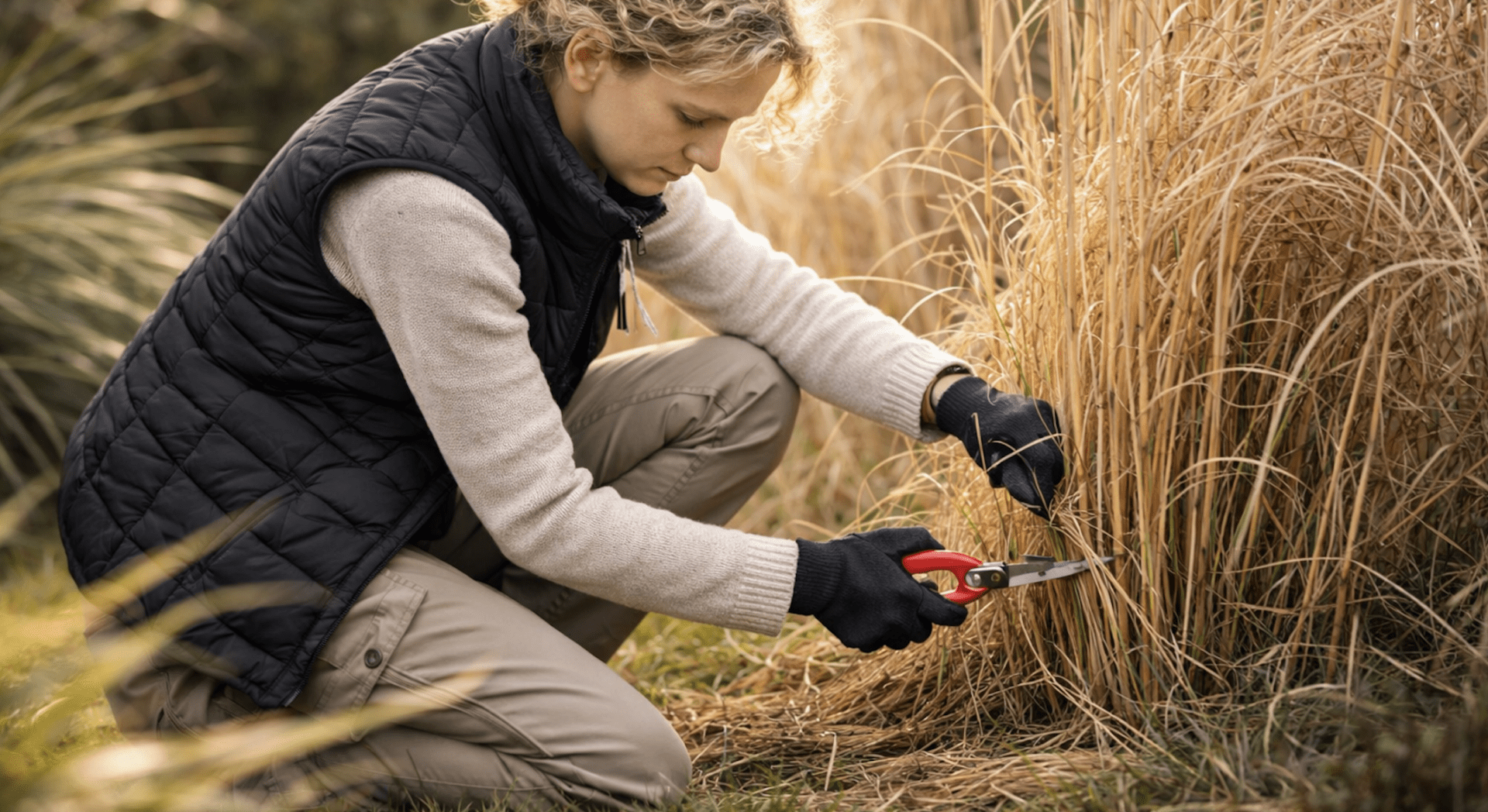
These are among the simplest—and most satisfying—plants to prune.
What to do:
- Cut back to 6–12 inches above ground
When:
- Late winter to early spring, before new growth emerges
Why it matters:
This clears out old growth and allows fresh blades to emerge cleanly, creating that soft, flowing movement ornamental grasses are known for.
When to Prune: Timing Is Everything
If there’s one rule to remember, it’s this:
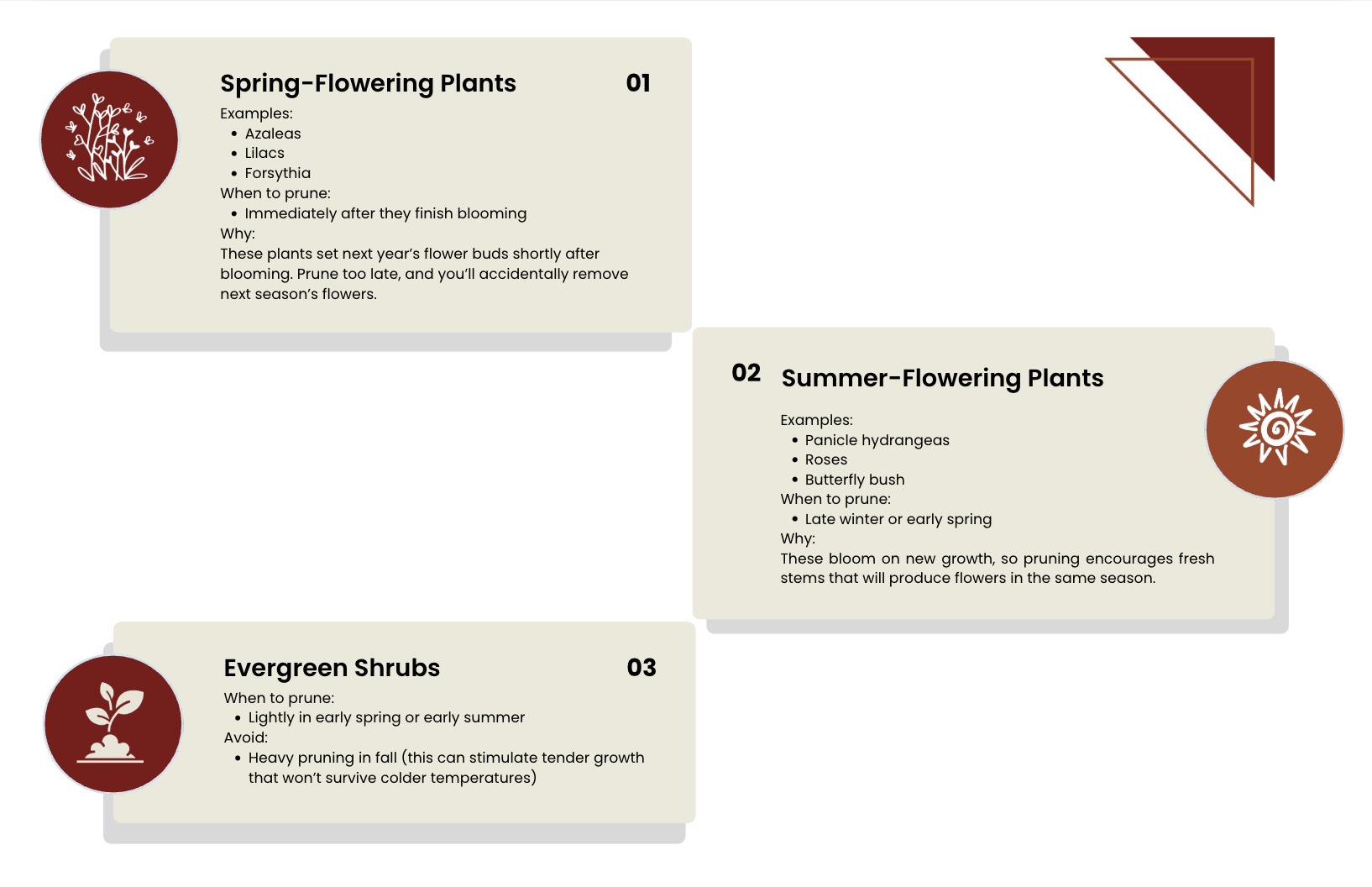
Prune according to when a plant blooms—not when it looks overgrown.
General Seasonal Guide
Fall: Minimal pruning—focus on cleanup only
- Late Winter / Early Spring: Structural pruning, grasses, summer bloomers
- After Bloom (Spring): Spring-flowering shrubs
- Summer: Light shaping and deadheading
What NOT to Prune (This Is Where Most Mistakes Happen)
Sometimes, the best decision is restraint.
1. Plants with Winter Interest
Many landscapes are designed to evolve—not disappear—through the seasons.
Leave these standing:
- Coneflowers
- Sedum
- Alliums
- Ornamental grasses
Why it matters:
- Seed heads feed birds
- Frost and snow add texture and beauty
- Structures create visual depth in winter
In thoughtfully designed gardens, these elements are intentional—not neglected.
2. Newly Planted Shrubs or Trees
It’s tempting to “shape” new plants right away—but resist.
Why:
- Plants need time to establish roots
- Early pruning can slow growth and stress the plant
Better approach:
- Focus only on removing dead or damaged parts during the first year
3. Spring Bloomers in Fall or Winter
This is one of the most common mistakes.
What happens:
- You cut off next year’s flower buds without realizing it
If you’re unsure whether a plant blooms on old wood or new wood—wait until after it flowers before pruning.
4. Overgrown Plants You Want to “Fix Quickly”
Aggressive pruning often backfires.
Why:
- It can shock the plant
- Leads to uneven, unnatural regrowth
- Creates long-term maintenance issues
Better approach:
- Restore gradually over 1–3 seasons
How to Prune Properly (Technique Matters)
Even knowing what and when isn’t enough—how you prune makes a difference.
Clean, Intentional Cuts
- Always use sharp, clean tools
- Cut just above a leaf node or bud
- Avoid leaving stubs
Follow the Natural Shape
- Step back frequently and observe
- Avoid cutting everything to the same height
- Let each plant guide your decisions
Don’t Overdo It
A helpful rule of thumb:
Never remove more than one-third of a plant at a time.
Frequently Asked Questions
How do I know if I’m pruning too much?
If your plant looks sparse, uneven, or takes a long time to recover, you may be over-pruning. Healthy plants should still look full and balanced after trimming.
Can I prune anytime if something looks messy?
It’s better to wait unless it’s a dead or damaged branch. Pruning at the wrong time can affect flowering and long-term health.
What tools do I really need?
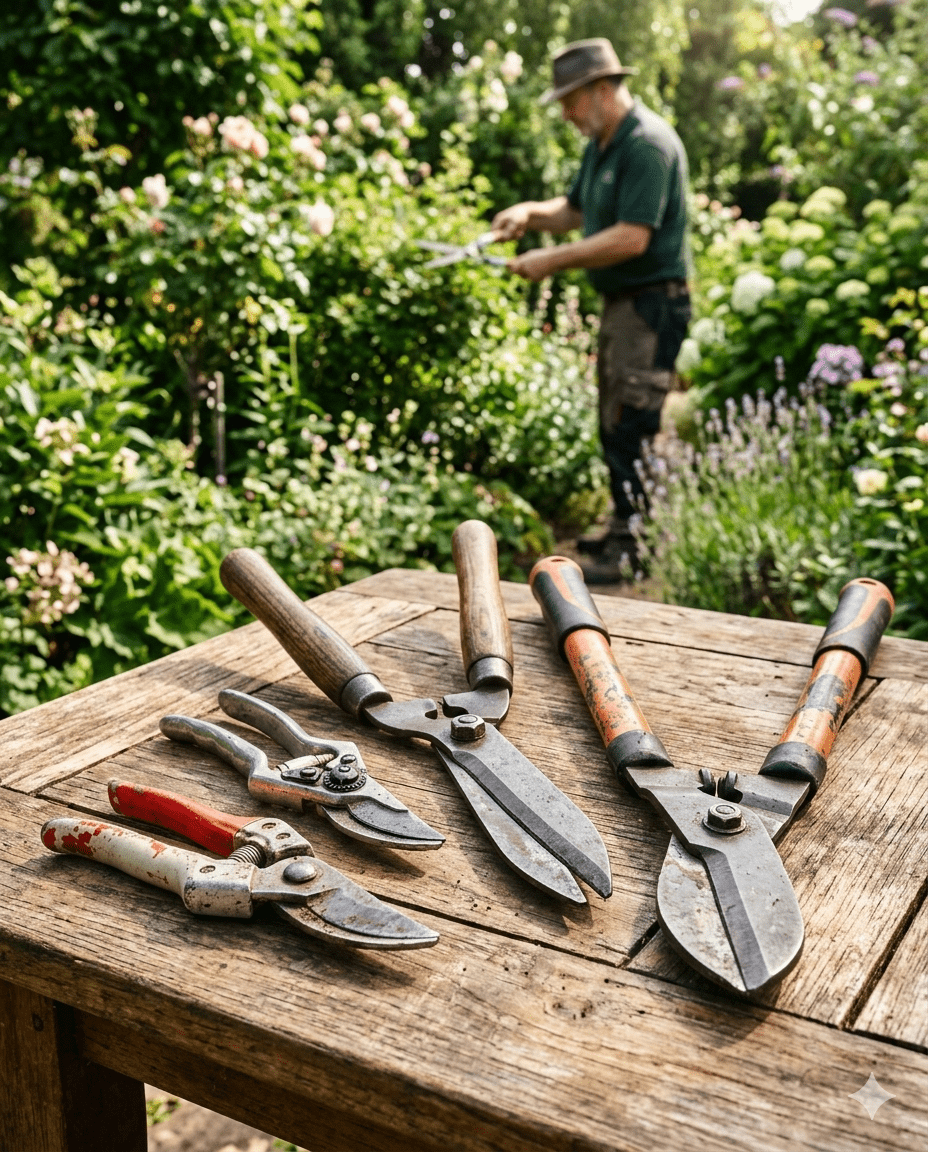
A quality pair of hand pruners, loppers for thicker branches, and occasionally hedge shears. Sharp tools make cleaner cuts and healthier plants.
Should I hire a professional for pruning?
For larger trees, specialty plants, or design-focused landscapes, professional pruning ensures both safety and long-term plant health.
What’s the difference between pruning and trimming?
Pruning is selective and intentional. Trimming is more about surface-level shaping. Both have their place—but pruning requires more thought.